Fashion has always been a reflection of society’s evolution from royal opulence to minimalist rebellion. Yet among all trends and movements, avant-garde style stands apart as one of the most challenging, thought-provoking, and revolutionary expressions of art through clothing. It’s not just about what we wear but about what we dare to say through it. In this blog, we’ll explore the meaning, history, designers, characteristics, and influence of Avant-Garde Style and how this bold style continues to shape the future of design.
Understanding the True Meaning of Avant-Garde Style
What Avant-Garde Really Means in Fashion
The term avant-garde originates from the French military term meaning “advance guard” the first to go into battle. In fashion, it describes a movement that leads rather than follows, pushing creative limits far beyond conventional aesthetics. Avant-garde style isn’t about comfort or conformity. It’s about experimentation, risk-taking, and disruption. Designers who embrace it challenge how society views beauty, form, and function. The result? Garments that blur the line between fashion and art.
Avant-Garde Style vs. Traditional Fashion
Traditional fashion prioritizes wearability, mass appeal, and commercial success. Avant-garde, on the other hand, thrives in opposition. It’s not made for everyone. Where a traditional dress might focus on flattering silhouettes, an avant-garde piece might distort the body entirely or use materials like metal, paper, or even recycled plastic. Avant-garde is not about fitting in; it’s about standing out.
The Historical Evolution of Avant-Garde Style
Early Artistic Influence
Avant-garde fashion’s roots can be traced back to the early 20th century, influenced by modernist art movements such as Cubism, Dadaism, and Surrealism. Artists like Picasso and Salvador Dalí redefined creativity and designers soon followed suit.
The Birth of Experimental Fashion
Designers such as Elsa Schiaparelli in the 1930s introduced surrealism to fashion with her lobster dresses, shoe hats, and collaborations with Dalí. This was the first time fashion deliberately provoked, questioned norms, and sought emotional reactions rather than admiration alone.
Avant-Garde in the 1980s and Beyond
The 1980s saw a radical rebirth of avant-garde design with Japanese innovators like Rei Kawakubo (Comme des Garçons) and Yohji Yamamoto. Their collections used asymmetry, deconstruction, and neutral tones to question the Western ideals of beauty and perfection. Later, designers like Alexander McQueen, Maison Margiela, and Iris van Herpen carried this torch forward merging technology, storytelling, and raw emotion into their work.
Key Characteristics That Define Avant-Garde Style
1. Concept Over Commercialism
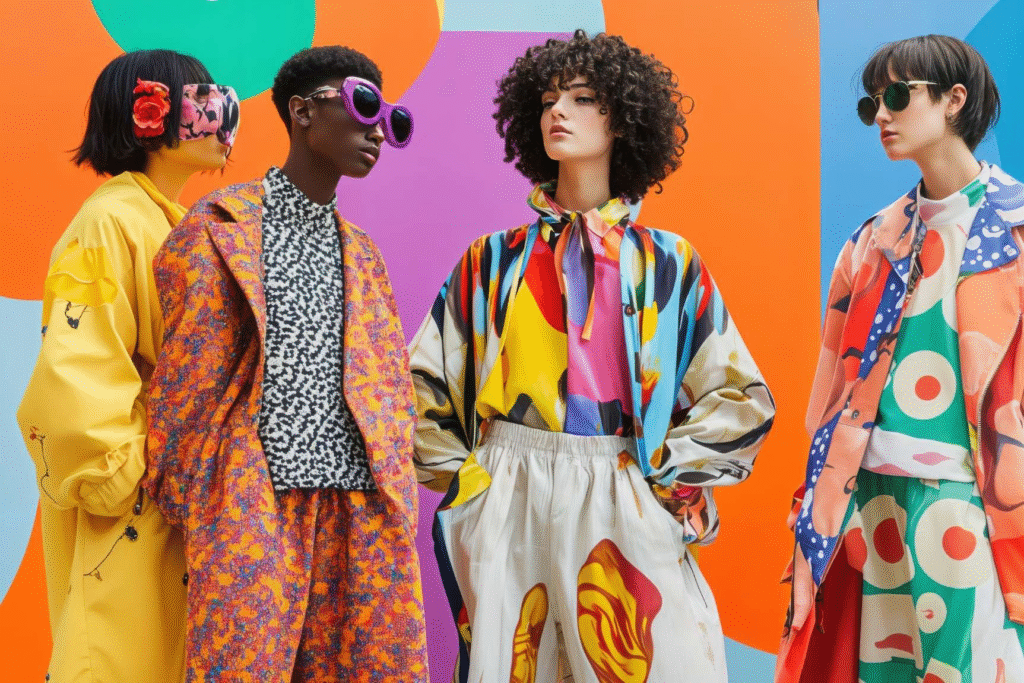
Avant-garde fashion is primarily conceptual. It tells a story or conveys a philosophical idea. A designer might explore themes like decay, rebirth, identity, or rebellion turning each collection into a statement.
2. Unconventional Silhouettes
Expect exaggerated proportions, asymmetry, layering, and distortion of body shapes. Avant-garde clothing doesn’t aim to flatter; it aims to fascinate.
3. Experimental Fabrics and Textures
Designers use unusual materials such as latex, vinyl, recycled metals, or 3D-printed elements. These materials challenge what clothing “should” feel or look like.
4. Minimalism or Maximalism – Both Extremes Exist
Some avant-garde designers embrace extreme simplicity (like Yohji Yamamoto’s all-black pieces), while others go for over-the-top maximalism (like Viktor & Rolf’s sculptural gowns). The only rule is: there are no rules.
5. Dark or Muted Color Palettes
Many avant-garde collections use blacks, whites, greys, and metallics representing neutrality and timelessness. This minimal palette shifts attention to form and concept.
The Visionaries Who Shaped Avant-Garde Style
Rei Kawakubo: The Master of Deconstruction
Rei Kawakubo’s work for Comme des Garçons redefined fashion in the 1980s. Her “anti-fashion” approach with holes, lumps, and asymmetry questioned gender norms and beauty standards.
Yohji Yamamoto: The Poet of Shadows
Known for his flowing black garments and architectural tailoring, Yamamoto treats fashion like poetry elegant, mysterious, and deeply human.
Alexander McQueen: The Dark Romantic
McQueen’s theatrical runway shows blended history, emotion, and horror with couture craftsmanship. His works celebrated beauty in the grotesque.
Iris van Herpen: The Futurist Innovator
Van Herpen fuses art, technology, and science using 3D printing and laser cutting. Her ethereal designs redefine what fashion can be in the digital age.
Maison Margiela: The Anonymous Rebel
Martin Margiela, known for anonymity and conceptualism, used repurposed materials and distorted tailoring to critique consumerism and the fashion industry itself.
How Avant-Garde Style Connects Art and Emotion
Fashion as a Medium of Expression
Avant-garde fashion transforms garments into emotional art forms. Each piece is a sculpture meant to evoke shock, awe, confusion, or admiration. It’s a dialogue between designer and audience.
Breaking Boundaries of Identity
Avant-garde style often defies gender norms and societal expectations. It’s a safe space for self-expression where clothing becomes a form of rebellion or liberation.
Performance and Theatricality
Runway presentations in avant-garde fashion often resemble live performances. Designers use music, lighting, and storytelling to make a statement, turning fashion shows into immersive experiences.
Avant-Garde Style in Modern Streetwear and Pop Culture
The Rise of Experimental Street Fashion
Avant-garde aesthetics have influenced streetwear brands like Rick Owens and Y-3. Their dark, deconstructed looks have merged artistic rebellion with daily wearability.
Celebrities and Icons Who Embrace Avant-Garde Style
From Lady Gaga’s meat dress to Björk’s swan gown, avant-garde fashion often makes headlines. Modern icons like Billie Eilish, Zendaya, and Doja Cat continue to channel this bold, artistic energy in their red-carpet appearances.
Social Media and Digital Fashion
In the digital era, avant-garde has evolved into virtual couture. Designers now experiment with AI-generated fashion, metaverse wearables, and digital runways where creativity knows no physical limit.
How to Incorporate Avant-Garde Style Into Everyday Fashion
1. Start Small with Statement Pieces
If you’re new to avant-garde fashion, begin with one standout piece an asymmetrical jacket, oversized pants, or sculptural accessory.
2. Experiment with Shapes and Layers
Avant-garde dressing is about silhouette play. Mix oversized with fitted, structured with flowy, and masculine with feminine.
3. Stick to a Monochrome Palette
Black, white, and grey remain timeless foundations of avant-garde style. They add mystery and sophistication while letting the shapes take center stage.
4. Embrace Unusual Textures
Incorporate pleats, mesh, leather, or recycled materials to create depth. Avant-garde is tactile. It’s meant to be felt, not just seen.
5. Express Yourself Fearlessly
The true essence of avant-garde style lies in individuality. There’s no right or wrong only authenticity. Own your look, even if it defies the norm.
The Cultural and Philosophical Impact of Avant-Garde Fashion
Challenging Beauty Standards
Avant-garde fashion dismantles the idea that beauty equals perfection. It celebrates imperfection, asymmetry, and the human form’s raw reality.
Political and Social Commentary
Designers often use avant-garde collections to comment on politics, identity, and environmental issues. Fashion becomes a protest a wearable manifesto.
Empowering Individuality
By rejecting conformity, avant-garde style empowers wearers to embrace their truest selves. It’s not about trends; it’s about transformation.
The Business Side of Avant-Garde Style
A Niche Yet Influential Market
While avant-garde fashion isn’t mainstream, its impact is huge. High-end designers influence ready-to-wear collections, high street brands, and fashion editorials.
Sustainability and Ethical Expression
Many avant-garde designers use upcycled materials, zero-waste cutting techniques, and handmade production — making the style not only artistic but also environmentally responsible.
Luxury Meets Innovation
Avant-garde fashion appeals to collectors, museums, and luxury enthusiasts. Each piece is seen as an investment both financially and artistically.
The Future of Avant-Garde Style
Technology and Innovation
The next chapter of avant-garde fashion lies in AI design, digital clothing, and sustainable material engineering. 3D printing and biofabrication are already reshaping creativity.
Virtual Runways and Metaverse Fashion
Virtual reality allows designers to showcase impossible creations without physical limits. Digital avatars wearing avant-garde couture are redefining what “wearable” truly means.
Inclusivity and Diversity
Avant-garde’s future is inclusive expanding representation across genders, races, and body types. The movement celebrates humanity in all its forms.
The Benefits of Embracing Avant-Garde Style
1. Unleashes Creative Confidence
Wearing avant-garde fashion boosts self-expression and confidence. It encourages you to be unapologetically unique.
2. Encourages Sustainability
By choosing handmade, artistic pieces over fast fashion, you support craftsmanship and environmental responsibility.
3. Connects You to Art and Culture
Each avant-garde piece is wearable art. A conversation starter that bridges the gap between fashion, design, and philosophy.
4. Breaks Social Conformity
Avant-garde style challenges society’s expectations and frees you from the pressure to fit in. It’s fashion with a voice.
5. Inspires Future Generations
By embracing avant-garde principles, you inspire others to think differently about design, identity, and creativity.
Conclusion: Avant-Garde Style
Avant-garde style is more than an aesthetic; it’s a revolution. It’s about courage, imagination, and the willingness to question what fashion means. In a world where trends fade quickly, avant-garde endures because it’s not just about clothing; it’s about ideas. Whether you view it as daring or disturbing, avant-garde fashion remains one of the most important creative movements of our time forever reminding us that true style is not about blending in, but standing out.