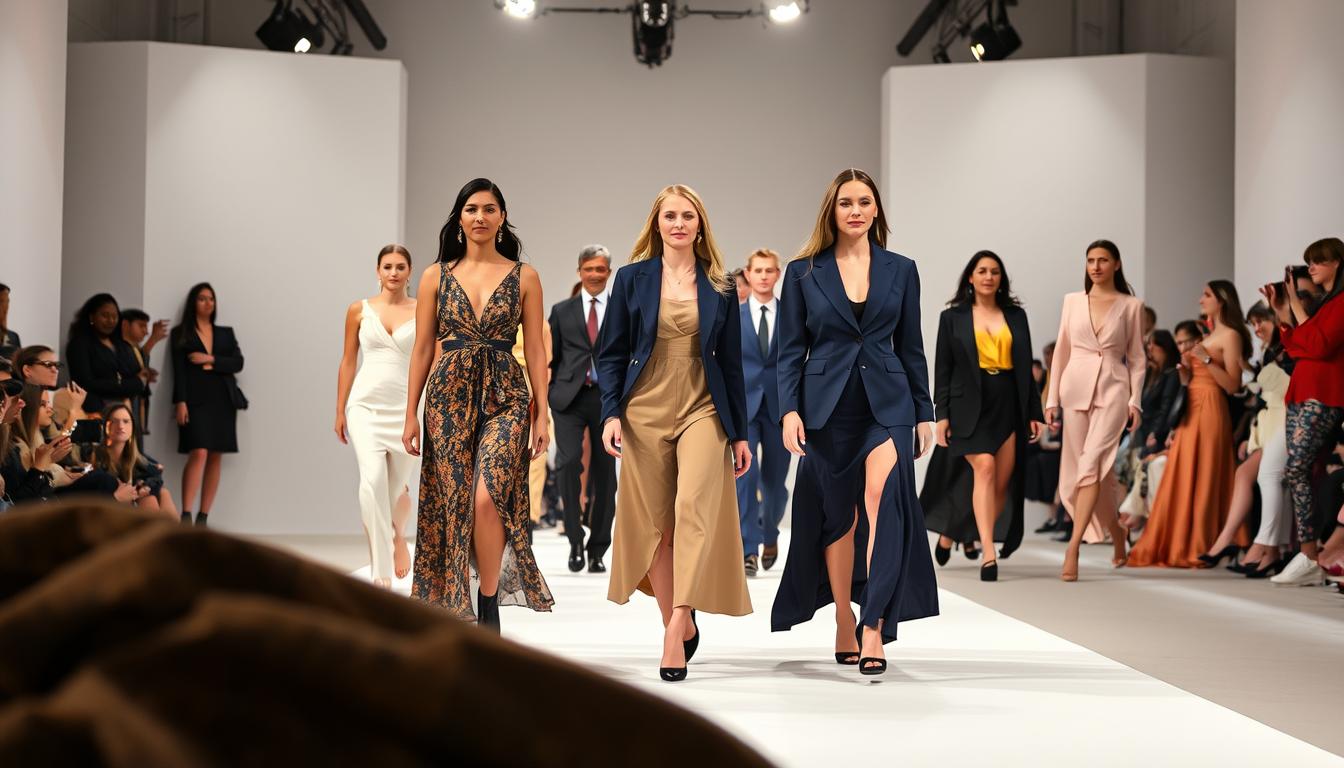
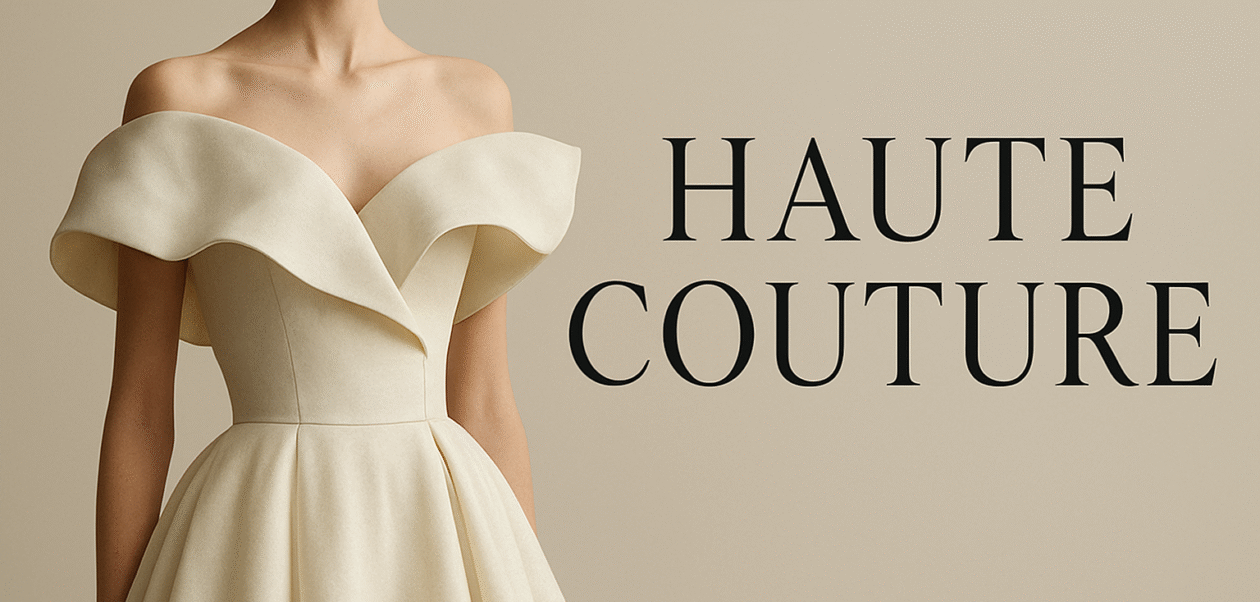
Fashion has many faces chic, modern, experimental, classic but nothing holds the same prestige and emotional charge as Haute Couture. It is not just clothing; it is art stitched with human imagination, luxury materials, and thousands of hours of craftsmanship. Couture sparks both obsession and criticism some love the drama, while others question the extravagance. In this article, we will explore the world of Haute Couture deeply, including its history, latest stunning trends, iconic designers, benefits, drawbacks, industry controversies, and whether it’s worth the hype.
This blog is written for fashion enthusiasts, designers, students, stylists, trend observers, and anyone curious about the most luxurious side of fashion.
What is Haute Couture? Understanding the Foundation
Haute Couture is a French term that translates to “high sewing” or “high dressmaking.” It refers to exclusive, custom-fitted garments created for private clients using meticulous handcraft.
Haute Couture Key Characteristics
- Made-to-measure for a single wearer
- Handcrafted by skilled artisans
- Uses the finest and often rare materials
- Involves exceptional detailing and techniques
- Created under strict regulations in Paris
- Represents the highest form of fashion artistry
Haute Couture is the pinnacle of luxury the place where fashion is not constrained by mass production, commercial pressure, or seasonal affordability.
History of Haute Couture: How Did It Begin?
The origins of Haute Couture trace back to mid-19th century Paris when Charles Frederick Worth, an English designer living in France, created the first fashion house offering bespoke garments. He treated clothing like art and models like muses, marking the start of the Haute Couture revolution. Soon, French aristocrats, queens, and high society became his clients.
Chronological Evolution
| Era | Key Highlights |
|---|---|
| 1850s | Charles Worth introduces couture in Paris |
| Early 1900s | Paul Poiret & Coco Chanel modernize silhouettes |
| Mid 20th Century | Dior’s “New Look” shapes couture |
| 1980s–2000s | Luxury houses dominate Chanel, Givenchy, Valentino |
| 2020s & Beyond | Digital couture, global designers & sustainability efforts |
From royal salons to NFT garments, Haute Couture continues to adapt proving that true artistry never fades.
Why Haute Couture Still Matters Today
Some question why couture exists in a world full of fast fashion. The answer is simple Haute Couture keeps fashion alive as an art form. It pushes creativity beyond commercial boundaries.
Reasons For Its Significance
- Preserves craftsmanship and handwork
- Inspires ready-to-wear trends globally
- Establishes fashion as storytelling
- Celebrates cultural and artistic expression
- Documents history through garments
- Supports thousands of artisans and ateliers
Even if only a tiny portion of the population buys couture, the influence trickles down into everyday fashion from runway gowns to streetwear details.
Haute Couture: Stunning Trends You’ll Love & Hate
In every couture season, certain elements dominate fashion conversations. Some trends leave us mesmerized with their beauty, while others spark debate or confusion. That is the charm of couture bold enough to be loved and hated.
Below, you will discover trends that captivated audiences and triggered mixed reactions worldwide.
Trends You’ll Love Elegance, Craft, and Innovation
These trends are admired for their detail, artistry, innovative silhouettes, and breathtaking execution.
1. Ethereal Gowns With Fairytale Volume
Designers like Elie Saab, Zuhair Murad, and Dior continue to champion princess-inspired silhouettes. With layers of tulle, Swarovski crystals, and hand-embroidered motifs, these gowns look like dreams brought to life.
Why people love it:
- Magical, romantic, red-carpet worthy
- Photogenic perfect for celebrities and brides
- Rich detailing that celebrates handcraft
Why some dislike it:
- Too dramatic for daily wear
- Heavy, expensive, and high-maintenance
H3: 2. Modern Metallics and Futuristic Couture
From Iris van Herpen’s 3D-printed dresses to Balenciaga’s liquid-metal fabrics, metallic couture is changing what luxury means. It blends technology with design in mesmerizing ways.
Why people love it:
- Fresh, future-forward, and artistic
- Looks spectacular on runways
- Opens doors for fashion-tech evolution
Why some dislike it:
- Feels cold or less emotional compared to classic couture
- Sometimes looks like “fashion armor”
3. Couture with Cultural Fusion
Designers are proudly incorporating Middle Eastern embroidery, South Asian beadwork, African prints, Japanese silhouettes, and more into haute couture.
Why people love it:
- Celebrates diversity and tradition
- Culturally respectful fashion storytelling
- Creates unique, rich fashion hybrids
Why some dislike it:
- Concerns about cultural appropriation
- Purists prefer French classic couture identity
4. Feather Fantasy Designs
Feathers have become a signature couture embellishment playful, airy, and dramatic. From Chanel to Valentino, feathers elevate garments instantly.
Why people love it:
- Soft, glamorous, feminine energy
- Perfect for gala looks
- Movements look graceful and cinematic
Why some dislike it:
- Not eco-friendly unless responsibly sourced
- Can shed or tangle easily
5. Sculptural Silhouettes Wearable Architecture
Haute Couture has shifted from fabric into sculpture. Designers create dresses that appear weightless, floating, or gravity-defying, challenging physics itself.
Why people love it:
- Artistic, bold, and unforgettable
- Makes powerful runway statements
- Ideal for editorial and museum displays
Why some dislike it:
- Hard to sit, walk, or live in
- More art than wearable clothing
Trends You’ll Hate Controversial But Conversation-Starting
Couture has no limits sometimes designers intentionally break beauty norms. These pieces are loved by critics but questioned by audiences.
1. Over-Exaggerated Silhouettes
Huge shoulders, balloon dresses wider than the runway, or skirts taller than the model couture often embraces absurd scale. Some applaud the theatricality, others call it impractical.
2. Shock Value Couture (Meat, Chains, Wild Cuts)
You’ve seen outrageous looks dresses made of chainmail, plastic, or even controversial materials. Fashion loves attention, but it isn’t always well-received.
3. Abstract Makeup & Headpieces Covering Faces
Avant-garde couture sometimes hides the face entirely. Artistic? Yes. Wearable? Hardly. Many viewers find it exciting, while others feel disconnected.
4. Extreme Minimalist Couture
In contrast to maximalism, some couture collections appear too plain or simple for their price. This sparks debate is simplicity genius or lazy luxury?
5. Concept Couture You Can’t Physically Wear
Some couture looks only exist to send a message, not to be worn. Beautiful for exhibitions, but disappointing for wearability lovers.
Haute Couture Designers You Must Know
These fashion houses shape couture history and continue reinventing elegance.
Legendary Couture Houses
- Chanel
- Dior
- Givenchy
- Valentino
- Jean Paul Gaultier
- Elie Saab
- Zuhair Murad
- Schiaparelli
- Balenciaga
- Iris van Herpen
Each house contributes to couture through unique creative language Chanel with tweed, Dior with New Look, Schiaparelli with surrealism, and so on.
Behind The Scenes How Couture is Made
Haute Couture is handcrafted through a slow, intense, and emotional process. One gown may take hundreds to thousands of hours.
Step-by-Step Creation Process
- Sketching and ideation
- Material selection (silk, tulle, feathers, pearls)
- Pattern making and base creation
- Embroidery & hand beadwork
- Fittings with the client
- Final adjustments and stitching
- Runway or client delivery
Ateliers (workshops) house embroiderers, feather workers, leather artisans, and more — preserving rare skills that machines can’t replicate.
The Price of Haute Couture Beauty Comes with a Cost
Haute Couture is not just expensive it’s elite luxury. Prices often begin at tens of thousands and go up to millions depending on detail.
Why So Costly?
- Hand embroidery & artisan labor
- Rare fabrics & crystals
- Custom fitting sessions
- Brand prestige and exclusivity
This exclusivity is what makes couture aspirational yet also criticized.
Love vs. Hate: Why Couture Divides Fashion Fans
Reasons People Love Haute Couture
- Inspires dream-like creativity
- Preserves craftsmanship cultures
- Redefines beauty standards
- Supports artistic expression
Reasons People Hate It
- Too expensive & inaccessible
- Often impractical to wear
- Creates elitist image of fashion
- Sometimes focuses on shock value
Yet this push-and-pull is what keeps couture relevant controversy fuels conversation.
Benefits of Haute Couture in the Fashion Industry
Even if we cannot all afford couture, the benefits reach the entire fashion ecosystem.
Industry-Level Benefits
- Trend forecasting for ready-to-wear
- Supports thousands of artisan jobs
- Promotes handmade sustainable practices
- Encourages textile innovation
- Strengthens global fashion culture
Consumer Benefits (Even If You Don’t Buy Couture)

- Inspires everyday fashion trends
- Influences bridal wear and evening gowns
- Inspires DIY designers and students
- Offers aesthetic pleasure and creative learning
Couture is fashion’s laboratory of imagination.
Is Haute Couture Worth It? Final Verdict
Whether you adore it or criticize it, haute couture holds a sacred place in fashion. It is the heart of creativity, proof that fashion goes beyond clothing and becomes emotion. Couture garments tell deep stories of artisans, culture, history, dreams, and beauty.
If you are someone who appreciates art, detail, and timeless luxury, couture is a world you will fall in love with.
If you are someone who values practicality, affordability, and wearable fashion, couture may feel unrealistic or excessive.
Both perspectives are valid and that is the thrilling charm of this industry.