

Organic face serums have become one of the hottest skincare products in recent years, appearing in bathroom shelves, Instagram flatlays, and celebrity routines everywhere. They promise glowing, youthful skin without harsh chemicals — but are they worth the hype, or just expensive drops of disappointment? In this detailed guide, we’ll explore what organic face serums really are, how they work, what makes a good one, and how to pick the right formula for your skin type. We will also reveal some of the best organic serums you can try and the common mistakes that may keep you from getting results.
What Are Organic Face Serums and Why Are They Trending?
An organic face serum is a lightweight, concentrated skincare product formulated with natural, plant-based, and certified-organic ingredients. Unlike moisturizers, which primarily hydrate and form a protective barrier, serums are designed to penetrate deeper into the skin to deliver active ingredients such as antioxidants, vitamins, and botanical extracts directly where they are needed most.
Why Organic Matters in Skincare
Choosing organic products is no longer just a wellness trend — it’s a lifestyle choice. Consumers are becoming more ingredient-conscious and want to avoid parabens, sulfates, silicones, synthetic fragrances, and harsh preservatives. Organic face serums typically exclude these, replacing them with clean alternatives such as aloe vera, jojoba oil, rosehip oil, vitamin C derived from fruit extracts, and botanical antioxidants. This makes them suitable for sensitive skin and safer for long-term use. Moreover, organic farming supports sustainability, reduces pesticide exposure, and benefits the environment — a win-win for your skin and the planet.
The Rise of Conscious Beauty
Social media has played a major role in boosting organic skincare trends. Influencers share “clean beauty” routines, celebrities endorse eco-friendly products, and Gen Z shoppers demand transparency from brands. Searches for “best organic face serum” have doubled in the past two years, and Google Trends shows a steady climb in clean beauty keywords.
How Organic Face Serums Work on Your Skin
Organic face serums are formulated with smaller molecules that penetrate the epidermis more effectively than thick creams or lotions. They deliver concentrated doses of vitamins, minerals, peptides, and antioxidants straight to the skin cells, which leads to faster results.
Key Benefits of Organic Face Serums
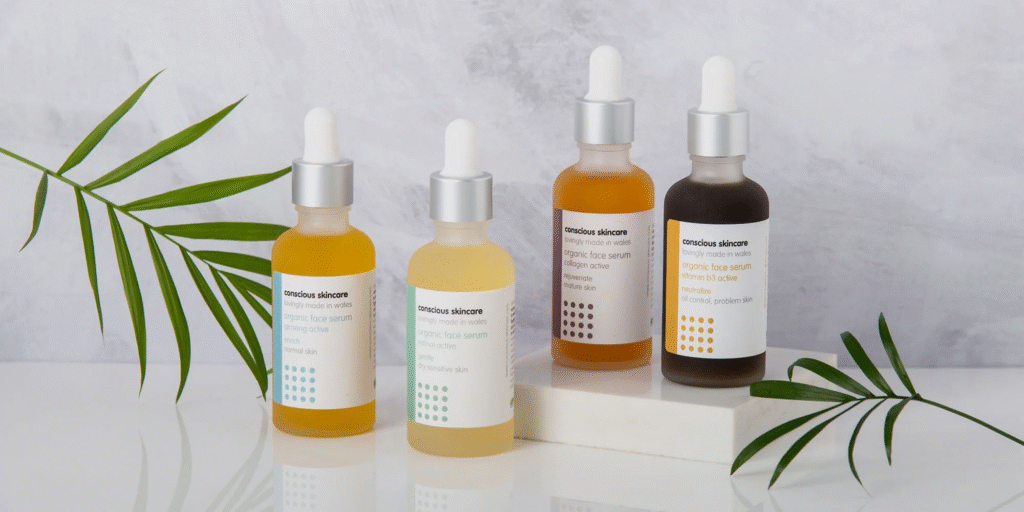
Hydration Boost: Many organic serums contain hyaluronic acid (a humectant) and aloe vera that pull moisture into the skin, leaving it plump and soft.
Brightening: Vitamin C from natural sources like Kakadu plum or citrus extracts helps fade pigmentation and even skin tone.
Anti-Aging: Antioxidant-rich ingredients such as green tea, pomegranate, and rosehip oil fight free radicals, preventing premature aging.
Calming & Healing: Chamomile, calendula, and lavender extracts reduce redness, soothe irritation, and strengthen sensitive skin.
Oil Control: Niacinamide and tea tree oil regulate sebum production and reduce breakouts.
The Best and Worst Organic Face Serum Ingredients
Not all organic serums are created equal. Some are packed with scientifically backed ingredients, while others rely on filler oils and trendy buzzwords.
Best Ingredients to Look For
Vitamin C (from natural sources): Brightens skin, boosts collagen, and protects against environmental damage.
Rosehip Seed Oil: Rich in essential fatty acids and provitamin A for skin regeneration.
Niacinamide: Improves texture, reduces inflammation, and minimizes pores.
Green Tea Extract: Powerful antioxidant to neutralize free radicals.
Hyaluronic Acid: Binds water to skin for deep hydration.
Peptides: Stimulate collagen production and improve skin firmness.
Ingredients to Avoid
Coconut Oil (for acne-prone skin): Though natural, it is highly comedogenic and can clog pores.
High Concentrations of Essential Oils: Can cause irritation or sensitivity if overused.
Synthetic “Fragrance” or “Parfum”: Even in organic products, this can be irritating.
Fake Organic Claims: Always check for certifications like USDA Organic, COSMOS Organic, or Ecocert.
Pros and Cons of Using Organic Face Serums
Pros
They are gentle, free of harsh chemicals, and ideal for sensitive skin. They support eco-friendly farming and sustainable practices. The formulas are nutrient-dense, so you may see results faster compared to basic creams. They fit easily into any routine — just a few drops are enough.
Cons
Organic serums can be more expensive because of ethical sourcing and certification costs. They may have a shorter shelf life since they use fewer synthetic preservatives. And, results can vary — not every serum suits every skin type, so you may need to experiment.
How to Choose the Right Organic Face Serum
Match Your Skin Type
Dry Skin: Look for serums with rosehip oil, jojoba oil, and hyaluronic acid.
Oily/Acne-Prone Skin: Opt for niacinamide, tea tree extract, or zinc-infused formulas.
Sensitive Skin: Pick soothing blends with aloe vera, chamomile, and oat extract.
Mature Skin: Choose antioxidant-rich serums with vitamin C, CoQ10, and peptides to reduce fine lines.
Check for Certifications
Look for authentic certifications such as USDA Organic, ECOCERT, or COSMOS. These confirm that the serum meets strict standards and is truly free from synthetic chemicals.
Packaging Matters
Organic serums can degrade when exposed to light or air. Look for dark glass bottles or airless pumps to keep the product fresh and potent longer.
Common Mistakes to Avoid
Skipping Patch Tests: Even natural ingredients can trigger allergic reactions.
Overusing the Product: More is not better — two to three drops are enough.
Applying on Dry Skin: Apply to slightly damp skin to lock in hydration.
Mixing with Harsh Actives: Avoid pairing vitamin C serums with strong acids unless recommended by a dermatologist.
Best Organic Face Serums vs. Overhyped Options: Quick Comparison

| Category | Best Organic Face Serums (Worth It) | Overhyped or Skip (Not Worth It) |
|---|---|---|
| Hydration | Hyaluronic Acid + Aloe Vera blends (True Botanicals Renew Serum) | Serums with heavy coconut oil (can clog pores) |
| Brightening | Organic Vitamin C serums with rosehip oil (Mad Hippie Vitamin C Serum) | Cheap “vitamin C serums” without real ascorbic acid |
| Anti-Aging | Antioxidant-rich formulas with green tea + CoQ10 | Serums claiming “instant wrinkle removal” |
| Acne Control | Niacinamide + tea tree oil serums (The Ordinary Niacinamide 10%) | Essential oil-heavy serums that irritate sensitive skin |
| Price vs. Value | Mid-range certified organic serums (USDA/Ecocert) | Luxury serums with minimal active ingredients but high price |
Benefits of Using Organic Face Serums Consistently
With daily use, you’ll notice a healthier, more radiant complexion. Pigmentation and dark spots fade, fine lines become less noticeable, and skin feels smoother. Over time, your skin barrier strengthens, making it more resistant to irritation and environmental stressors.
Application Tips for Maximum Results
Cleanse your face thoroughly before applying serum so your pores are ready to absorb the nutrients. Use just 2–3 drops and gently pat it into the skin. Follow up with a moisturizer to seal in hydration. Apply sunscreen during the day because active ingredients like vitamin C can make your skin more photosensitive.
Frequently Asked Questions About Organic Face Serums
Do organic face serums really work? Yes, when used consistently, they improve hydration, brighten skin, and fight aging naturally.
Can I use an organic serum every day? Absolutely — most are safe for morning and night use.
Are they safe for sensitive skin? Yes, but always patch test first and choose hypoallergenic formulas.
When should I apply serum? After cleansing and toning but before moisturizer for maximum absorption.
How long before I see results? Most people notice improvements within 3–6 weeks of consistent use.
Final Thoughts: Love It or Ditch It?
Organic face serums can completely transform your skincare routine when chosen wisely. They deliver targeted treatment for issues like dryness, dullness, and fine lines while keeping your skin free from harsh chemicals. But not all serums deserve a spot in your routine — focus on those with proven ingredients, check for certifications, and stay consistent. Your reward? Clear, radiant, and youthful-looking skin that truly glows from within.



Your point of view caught my eye and was very interesting. Thanks. I have a question for you.