The fashion world has always been about evolution from handwoven silks to fast fashion, from haute couture to sustainable style. But now, a new revolution is unfolding in the virtual realm: Metaverse Fashion Brands. These aren’t just futuristic ideas. They’re real companies redefining what fashion means in a digital-first world.
This blog explores how metaverse fashion is transforming creativity, consumption, and culture. We’ll uncover the best and boldest brands leading this charge, and explore whether digital fashion is truly the future or just a passing trend.
Understanding the Rise of Metaverse Fashion
What Is the Metaverse and Why Does It Matter for Fashion?
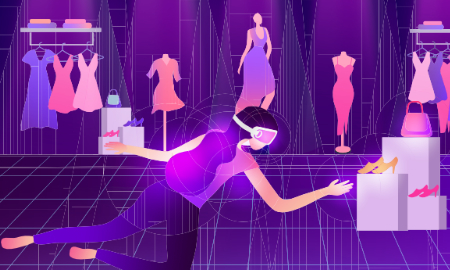
The metaverse refers to a shared digital universe where people can interact, socialize, work, and play through avatars. Imagine attending a Gucci runway in a virtual Paris, trying on Balenciaga sneakers with your digital twin, or purchasing a limited-edition dress for your avatar in Roblox that’s metaverse fashion in action.
For fashion brands, this space offers a fusion of technology, creativity, and commerce. It allows designers to break free from physical constraints no fabric waste, no size limits, and endless experimentation.
How Fashion Brands Are Transitioning into the Metaverse
The shift didn’t happen overnight. The global lockdowns during the pandemic accelerated virtual experiences, forcing brands to experiment with digital fashion shows, NFT collections, and AR (Augmented Reality) try-ons.
Now, fashion brands see the metaverse not as a trend, but as a new retail frontier. Through digital platforms like Decentraland, Roblox, and The Sandbox, they’re launching immersive experiences that attract younger, tech-savvy consumers eager for unique identity expression online.
Top Metaverse Fashion Brands Redefining Digital Style
1. Gucci Vault and Gucci Garden Experience
Gucci was one of the first luxury brands to step into the metaverse. The Gucci Garden Experience on Roblox allowed visitors to explore a virtual museum showcasing Gucci’s heritage. Users could buy digital-only Gucci items, some of which resold for more than their real-world counterparts proving that digital scarcity holds real value.
The Gucci Vault, meanwhile, acts as a bridge between the physical and digital worlds. A platform where vintage pieces meet NFTs and experimental collaborations.
Why It Matters: Gucci’s metaverse moves show that exclusivity and digital storytelling can coexist, expanding brand reach among Gen Z.
2. Balenciaga x Fortnite
When Balenciaga partnered with Epic Games’ Fortnite, it wasn’t just a collaboration, It was a marketing masterstroke. The brand introduced Balenciaga skins, accessories, and virtual stores, allowing millions of gamers to express luxury fashion through their avatars.
This partnership blurred the line between gaming and fashion, introducing luxury aesthetics to mainstream gaming culture.
Why It Matters: Balenciaga proved that fashion isn’t limited to runways; it thrives in pixels too.
3. Nike’s RTFKT Studios
Nike made a bold move by acquiring RTFKT Studios, a digital fashion brand known for its NFT sneakers and metaverse wearables. RTFKT (pronounced “artifact”) specializes in digital sneakers that can be worn in the metaverse or showcased as collectible NFTs.
Their CloneX project, in collaboration with artist Takashi Murakami, turned NFT avatars into virtual influencers and fashion icons.
Why It Matters: Nike’s investment signals the future of digital ownership where sneakers you “wear” online carry as much prestige as physical ones.
4. Dolce & Gabbana’s Digital Couture
In 2021, Dolce & Gabbana launched “Collezione Genesi,” a nine-piece NFT fashion collection that fetched nearly $6 million. Each digital outfit came with physical couture versions, uniting traditional craftsmanship with futuristic technology.
Why It Matters: D&G’s foray demonstrates how luxury houses can use blockchain to ensure authenticity and exclusivity in both digital and physical realms.
5. Tommy Hilfiger x Roblox
Tommy Hilfiger’s collaboration with Roblox created a virtual fashion show where users could purchase digital outfits for their avatars. The campaign, “Tommy Play,” targeted younger audiences who live more in digital spaces than in malls.
Why It Matters: This shows that accessibility and inclusivity can thrive in digital fashion, as anyone, anywhere, can participate in brand experiences.
6. Louis Vuitton and the NFT Game “Louis: The Game”
Louis Vuitton celebrated its founder’s 200th birthday by launching “Louis: The Game,” where players collected NFTs while exploring a fantasy world inspired by the brand’s heritage.
Why It Matters: It transformed brand storytelling into interactive entertainment, building emotional connections through gamified experiences.
The Technology Powering Metaverse Fashion
Blockchain and NFTs: The Foundation of Digital Ownership
At the core of metaverse fashion lies blockchain technology, which ensures the authenticity and traceability of digital assets. NFTs (Non-Fungible Tokens) act as certificates of ownership, guaranteeing that a virtual handbag or gown truly belongs to its buyer.
This new layer of ownership means fashion lovers can collect, trade, or showcase digital assets just like physical pieces.
Augmented Reality (AR) and Virtual Reality (VR)
AR try-ons allow users to visualize digital clothing over their physical selves through mobile apps, while VR fashion shows create fully immersive experiences.
Brands like Burberry and Prada have already experimented with AR lenses on Snapchat and Instagram, allowing customers to “try before they buy” even if the product only exists digitally.
Artificial Intelligence and 3D Design
AI helps fashion brands analyze trends, predict demand, and design hyper-personalized garments. 3D design tools like CLO3D and Blender enable designers to create virtual prototypes, reducing waste and speeding up production.
These technologies are democratizing design, allowing independent creators to enter the metaverse without massive budgets.
The Positive Impact of Metaverse Fashion
1. Sustainability and Waste Reduction
The fashion industry is infamous for overproduction and pollution. Metaverse fashion, however, produces zero textile waste. Digital-only garments eliminate water usage, dyes, and fabric waste making it a sustainable solution for eco-conscious consumers.
2. Inclusivity and Accessibility
Unlike physical fashion, digital clothing knows no size, gender, or geography. Anyone with internet access can participate, express themselves, and own luxury pieces in digital form.
It’s a new era of fashion democracy, where inclusivity becomes the core of creativity.
3. Creative Freedom for Designers
Designers can experiment with physics-defying styles floating fabrics, glowing gowns, or outfits made of fire or light things impossible in the real world.
This limitless creativity fuels innovation and inspires younger designers to blend art with technology.
4. New Revenue Streams for Brands
Metaverse fashion opens doors to NFT sales, virtual events, and collaborations that generate millions in revenue. Brands can monetize digital assets repeatedly without manufacturing costs — a win-win for creativity and commerce.
The Challenges Facing Metaverse Fashion
1. Digital Fatigue and Skepticism
While early adopters are enthusiastic, many consumers still question whether virtual fashion has real value. Some view it as a novelty rather than a meaningful investment.
Brands must prove that digital fashion offers utility, community, and emotional connection — not just hype.
2. Environmental Cost of Blockchain
Although digital garments reduce fabric waste, the energy consumption of blockchain transactions (especially NFTs) can be high. The industry is now pivoting toward eco-friendly blockchains like Polygon and Solana to minimize carbon footprints.
3. Intellectual Property and Counterfeits
Just as counterfeit bags exist in the physical world, digital replicas can appear online. Without proper regulation, creators risk losing control over their designs. Blockchain verification helps, but laws are still evolving.
Case Study: The Success of RTFKT x Nike CloneX Project
The CloneX NFT collection became one of the most successful digital fashion projects ever, selling thousands of avatars equipped with futuristic sneakers and apparel.
Collectors could use their CloneX avatars across different metaverse platforms. A key step toward interoperability, meaning your digital assets can travel across worlds like Roblox, Decentraland, or Meta’s Horizon Worlds.
Nike’s strategy combined community building, exclusivity, and tech innovation, turning digital fashion into a serious investment.
How Emerging Designers Are Entering the Metavers
The Rise of Digital-Only Fashion Houses
New labels like The Fabricant, DressX, and Auroboros are paving the way for designers who create 100% digital collections.
- The Fabricant made history by selling the first digital dress for $9,500.
- DressX lets users “wear” digital clothing in photos or social media posts.
- Auroboros merges biotechnology with digital couture for truly futuristic looks.
These brands prove that you don’t need a sewing machine to make fashion magic just a computer and imagination.
Consumer Behavior in the Virtual Era
Why Gen Z Is Driving the Change
Gen Z consumers are digital natives they value self-expression online as much as in real life. Avatars have become extensions of identity, and clothing them stylishly is now a form of personal branding.
Surveys show that over 60% of Gen Z gamers have purchased virtual goods, indicating a cultural shift where digital fashion equals social status.
The Social Media Influence
Instagram, TikTok, and Snapchat are pushing virtual fashion mainstream. AR filters, NFT showcases, and digital runway clips make it easy to blend virtual aesthetics into everyday content creation.
The Future of Metaverse Fashion: What Lies Ahead
1. Interoperable Fashion Ecosystems
In the near future, users will wear one digital outfit across multiple virtual worlds like carrying your favorite designer bag from Roblox to Meta Horizon.
This cross-platform wardrobe will become the next frontier of fashion convenience.
2. Hybrid Collections (Physical + Digital Twins)
More brands will launch “phygital” collections, offering both physical items and NFT counterparts. This hybrid model combines authenticity, traceability, and exclusivity giving buyers the best of both worlds.
3. Virtual Fashion Shows and Stores
Expect to see more fashion weeks hosted in virtual cities with 3D runways, interactive shopping, and real-time customization. The Metaverse Fashion Week (MVFW) on Decentraland has already become a landmark event featuring brands like Etro, Dundas, and Cavalli.
4. Personalized AI Styling
AI-driven stylists will analyze user preferences and recommend customized digital outfits that match mood, event, or personality. The next wave of metaverse fashion will be hyper-personalized.
Table: Key Metaverse Fashion Brands and Their Innovations
| Brand Name | Platform/Collaboration | Notable Innovation | Impact |
|---|---|---|---|
| Gucci | Roblox, Gucci Vault | Digital collectibles & immersive storytelling | Luxury meets Gen Z |
| Balenciaga | Fortnite | Virtual skins and branded stores | Gaming x Fashion |
| Nike (RTFKT) | CloneX, NFTs | NFT sneakers & avatar customization | Digital ownership |
| Dolce & Gabbana | Collezione Genesi NFTs | Couture NFTs with physical twins | Luxury blockchain |
| Louis Vuitton | Louis: The Game | Play-to-earn NFT experience | Interactive branding |
| Tommy Hilfiger | Roblox “Tommy Play” | Virtual fashion events for youth | Inclusivity & access |
| The Fabricant | Digital-only collections | First purely digital fashion house | Sustainable creativity |
The Benefits of Embracing Metaverse Fashion
For Consumers
- Infinite wardrobe without physical space
- Affordable access to luxury experiences
- Greater self-expression and creativity
For Brands
- New revenue streams through NFTs and virtual shows
- Global reach without shipping or production costs
- Eco-friendly reputation and tech innovation
For the Industry
- Revolutionized retail models
- Reduced waste and increased inclusivity
- Stronger community engagement
Final Thoughts: The Digital Runway Awaits
Metaverse fashion brands are more than a trend. They represent a shift in how we define identity, luxury, and creativity. Whether you love or loathe them, these digital pioneers are weaving the next chapter of fashion history.
The runway is no longer confined to Paris or Milan. It’s everywhere, accessible to anyone with imagination and Wi-Fi.
The question isn’t whether metaverse fashion will shape the future. It’s how fast you’ll join the digital revolution.