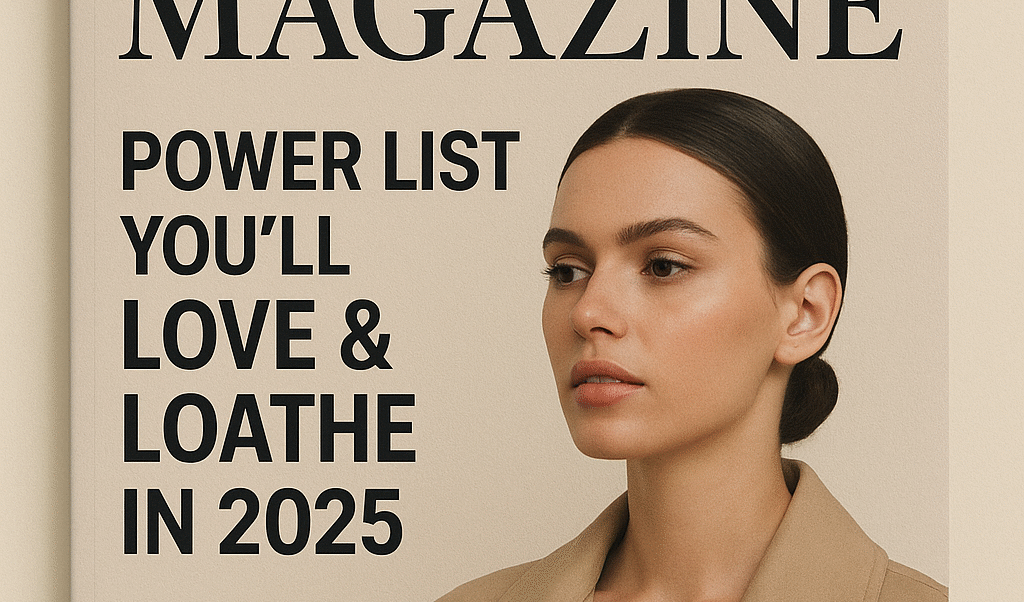
Fashion Magazine are more than glossy pages filled with beautiful clothes and stunning models. They are the lifeblood of the fashion industry, shaping style perceptions, inspiring consumers, and bridging the gap between designers and the public. These magazines have been around for centuries, influencing how we view clothing, beauty, and luxury. From print to digital evolution, fashion magazines have become powerful media platforms that blend creativity, commerce, and culture.
The Evolution of Fashion Magazine Over Time
The first known fashion publication dates back to the 17th century in France, where elite society women used illustrated journals to learn about Parisian trends. By the 19th and 20th centuries, iconic publications such as Vogue, Harper’s Bazaar, and Elle emerged, setting the tone for high fashion and lifestyle journalism. In the digital era, platforms like V Magazine and The Gentlewoman have modernized the industry by merging print aesthetics with online reach.
The Role of Fashion Magazines in Today’s World
Today, it serve as trend forecasters, storytelling platforms, and global style educators. They not only showcase the latest runway looks but also influence social movements, promote diversity, and empower creative voices in design and modeling. With social media integration, these magazines have become dynamic hubs for fashion-conscious readers who want a mix of inspiration and information.
Why Fashion Magazines Still Matter in the Digital Age
In a world dominated by influencers and fast-paced social media, many might assume that traditional magazines are losing relevance. However, it have adapted with remarkable agility, maintaining their prestige and purpose in the modern media ecosystem.
Blending Print Prestige with Digital Innovation
Print magazines still symbolize luxury and timelessness. Holding a beautifully curated issue of Vogue or Harper’s Bazaar is an experience unmatched by scrolling on a phone screen. However, the best fashion magazines now blend print charm with digital innovation interactive online content, video editorials, and augmented reality fashion features.
Authority and Credibility in Fashion Journalism
Unlike many influencer-driven posts, fashion magazines undergo rigorous editorial checks. They employ experienced fashion editors, journalists, and stylists who ensure accuracy, credibility, and taste. Readers trust their recommendations because fashion magazines maintain professional integrity and deep connections with designers and brands.
Key Components
A great fashion magazine balances aesthetics, information, and inspiration. Below is a table outlining the main components that make a fashion magazine successful:
| Component | Description | Impact |
|---|---|---|
| Editorial Vision | Defines the magazine’s tone and style direction | Builds brand identity |
| Photography & Visuals | High-quality images and creative direction | Attracts reader attention |
| Fashion Trends | Seasonal highlights and expert insights | Keeps readers updated |
| Celebrity Features | Exclusive interviews and cover shoots | Increases engagement |
| Cultural Relevance | Covers topics like sustainability, inclusivity | Enhances brand credibility |
| Digital Presence | Websites, apps, and social media channels | Expands audience reach |
Iconic Fashion Magazines That Shaped the Industry
They have not only reported trends but also created them. The most influential magazines have defined decades of style evolution.
Vogue: The Bible of Fashion
Vogue remains the ultimate authority in fashion publishing. Founded in 1892, it has evolved from a society journal into an international style icon. Each country’s edition, such as Vogue Paris, Vogue India, or Vogue Arabia reflects cultural diversity while maintaining global influence.
Harper’s Bazaar: Where Art Meets Fashion
Known for its artistic covers and editorial brilliance, Harper’s Bazaar emphasizes sophistication and creativity. It caters to women who view fashion as both an art form and a lifestyle.
Elle: Celebrating Modern Womanhood
Elle balances fashion, beauty, and empowerment. It speaks to the modern, independent woman covering everything from runway looks to career advice.
GQ and Esquire: Men’s Fashion Revolution
While many fashion magazines target women, GQ and Esquire have redefined men’s fashion. They blend style with lifestyle, fitness, and grooming, appealing to the contemporary gentleman.
The Digital Transformation of Fashion Magazines
The digital era has completely redefined how it operate, publish, and connect with audiences.
Rise of Online Fashion Platforms
Magazines have expanded their content into digital platforms. Vogue.com, WWD (Women’s Wear Daily), and The Cut now publish real-time runway updates, fashion news, and video interviews.
Social Media and Reader Engagement
Instagram, Tiktok, and Pinterest have become crucial extensions of fashion magazines. Editors and stylists now curate fashion reels, style guides, and behind-the-scenes moments, allowing readers to feel part of the industry.
E-Magazines and Subscription Models
Digital subscriptions have replaced traditional sales for many readers. Interactive magazines, featuring clickable look-books and 3D fashion visuals, offer a personalized experience that print alone can’t match.
How Fashion Magazines Influence Global Trends
It have immense power in shaping not just what people wear but how they perceive fashion as a cultural force.
Setting Seasonal Trends
Every season, top magazines feature designer collections and trend reports that define upcoming color palettes, fabrics, and silhouettes. Their influence trickles down from couture runways to high-street stores.
Promoting Diversity and Inclusivity
Modern magazines now spotlight diverse models, cultures, and voices. Publications like Allure and Teen Vogue have embraced body positivity, gender fluidity, and racial representation—making fashion more inclusive than ever.
Supporting Emerging Designers
Through special features and award programs, it highlight new talents. Designers like Alexander McQueen, Jacquemus, and Christopher John Rogers all gained early recognition from magazine exposure.
Fashion Magazines and Their Impact on Consumer Behavior
It play a crucial role in shaping buying decisions, from luxury shoppers to everyday consumers.
The Psychology of Influence
It create emotional appeal through storytelling and visual art. When readers see their favorite celebrity or influencer styled in a certain way, it sparks desire and aspiration.
Trend Adaptation and Accessibility
High-fashion trends presented in magazines often translate into wearable street styles. This process, called “trickle-down fashion,” turns luxury concepts into mass-market products available worldwide.
The Business Side of Fashion Magazines
Behind the glamour lies a strategic business model built on advertising, collaborations, and brand partnerships.
Advertising and Sponsorships
Luxury brands like Gucci, Chanel, and Dior invest heavily in fashion magazines for visibility. In return, these magazines offer prime ad placements, event collaborations, and editorial exposure.
Events and Fashion Weeks
Magazines often host or sponsor major events such as Vogue World, Elle Style Awards, or GQ Men of the Year. These events reinforce brand authority and celebrate fashion excellence.
Affiliate Marketing and Digital Monetization
In the digital age, fashion magazines monetize through affiliate links, online stores, and sponsored articles. Readers can instantly purchase looks featured in editorials through embedded shopping links.
Challenges Faced by Fashion Magazines in 2025
While fashion magazines remain powerful, they face challenges that require constant innovation.
Competition from Influencers and Fast Content
Influencers provide instant, relatable fashion advice, often overshadowing magazine content. To stay relevant, magazines must combine authenticity with professionalism.
Maintaining Print Readership
Rising digital consumption has reduced print sales, pushing magazines to reinvent their content strategy through limited editions and collector’s issues.
Balancing Editorial Integrity and Brand Deals
As advertisements grow, some readers question the objectivity of fashion magazines. Successful editors now focus on transparent partnerships and ethical fashion storytelling.
The Benefits of Reading Fashion Magazines
Despite evolving formats, the benefits of fashion magazines remain timeless.
Inspiration and Creativity
Fashion magazines are visual masterpieces. They inspire creativity in readers helping them explore new looks, experiment with style, and discover fashion as a form of self-expression.
Educational Insights
Readers gain knowledge about fabrics, designers, and cultural trends. Many magazines include sections on sustainability, ethical production, and career advice for aspiring stylists or models.
Connection to the Fashion World
Magazines create a sense of community among fashion lovers. Subscribing or engaging online connects readers to global conversations about art, culture, and innovation.
Future of Fashion Magazines: What Lies Ahead
As we move further into 2025, fashion magazines are expected to blend immersive technologies, AI styling tools, and personalized recommendations.
Artificial Intelligence in Fashion Journalism
AI-driven tools are helping editors predict trends, analyze reader behavior, and create customized digital issues for different audiences.
Virtual Reality and 3D Fashion Shows
Readers can now “attend” fashion weeks through VR experiences, exploring runway collections as if seated front-row.
Sustainability and Conscious Storytelling
The future will highlight sustainable fashion, eco-friendly materials, and responsible luxury, positioning magazines as advocates for ethical fashion consumption.
Conclusion: The Timeless Allure of Fashion Magazines
Fashion magazines remain one of the most influential media forces in global culture. From shaping style icons to promoting innovation and inclusivity, they continue to evolve with technology while maintaining their creative soul. Whether printed on glossy pages or viewed on a glowing screen, fashion magazines will always be more than just publications, they are storytellers of beauty, ambition, and identity.