
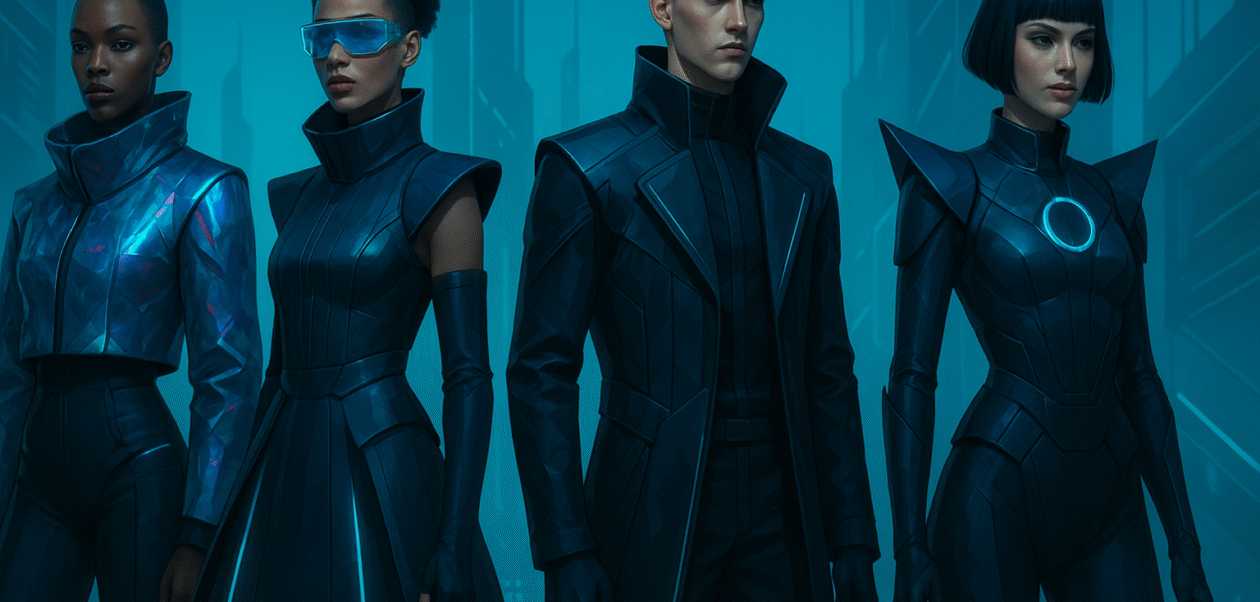
Fashion has always been a mirror reflecting the spirit of its time and now, it’s gazing straight into the future. From sleek metallic fabrics to digital couture, futuristic fashion aesthetics represent more than just a look; they symbolize innovation, technology, and the reimagining of identity in a modern world.
In this blog, we’ll explore what futuristic fashion truly means, how it evolved, its core design elements, the influence of technology, and how this aesthetic is shaping the next generation of style.
Understanding Futuristic Fashion Aesthetics
What Does “Futuristic Fashion” Really Mean?
Futuristic fashion aesthetics combine elements of innovation, minimalism, and technology-driven design. This style goes beyond simple trends, it imagines what fashion could look like in years to come. Think metallic fabrics, geometric silhouettes, 3D printing, and smart textiles that react to movement, light, or temperature.
It’s a fashion philosophy that challenges the ordinary and blurs the lines between art, science, and identity.
Why It’s More Than Just a Style
Futuristic fashion isn’t limited to runways, it’s about redefining how we see clothing’s role in everyday life. With sustainability, artificial intelligence, and digital fashion on the rise, futuristic aesthetics are setting the stage for conscious innovation rather than wasteful consumption.
Designers like Iris van Herpen, Balenciaga, and Marine Serre are already merging technology and tailoring to craft looks that appear straight out of a sci-fi film.
The Historical Roots of Futuristic Fashion

Early Inspirations and Sci-Fi Influence
The concept of futuristic fashion first took shape in the 1960s Space Age, inspired by the race to the moon. Designers like Pierre Cardin and André Courrèges used vinyl, PVC, and metallic tones to mimic the look of astronauts and spacecraft.
Over the decades, pop culture continued to influence futuristic aesthetics from movies like Blade Runner to The Matrix all contributing to the modern vision of tech-inspired style.
The Digital Age and Fashion’s New Frontier
The 2000s brought about the digital revolution. Suddenly, fashion had new possibilities:
- 3D printing enabled innovative design shapes.
- Virtual clothing redefined personal style in online spaces.
- Wearable tech introduced smart fabrics that monitor health and environment.
These shifts didn’t just make fashion more high-tech. They made it smarter, sustainable, and globally interconnected.
Core Elements of Futuristic Fashion Aesthetics
| Element | Description | Example Designers/Brands |
|---|---|---|
| Metallic Textures | Shiny fabrics in silver, chrome, and holographic finishes | Balmain, Paco Rabanne |
| Minimalist Silhouettes | Clean lines, geometric cuts, and architectural shapes | Rick Owens, Issey Miyake |
| Smart Textiles | Fabrics embedded with sensors or responsive fibers | CuteCircuit, Vollebak |
| Sustainable Innovation | Eco-friendly production and recycled materials | Stella McCartney, Rains |
| Digital Couture | Clothing designed entirely in virtual environments | The Fabricant, Auroboros |
The Influence of Technology on Modern Fashion
Smart Fabrics and Wearable Tech
Technology has revolutionized the way we design and experience fashion. Smart textiles can now adapt to temperature, track fitness levels, or even light up with motion.
Brands like Vollebak have engineered garments that last for decades, while CuteCircuit designs clothing with interactive LED surfaces. These innovations make fashion not just wearable, but alive.
3D Printing and Customization
One of the most exciting aspects of futuristic fashion is 3D printing. Designers can now produce intricate, sculptural pieces with zero waste.
3D printing allows customization at an unprecedented level garments can be printed to fit an individual’s exact measurements, reducing returns and promoting sustainability.
Augmented Reality (AR) and Virtual Fitting Rooms
Fashion e-commerce is evolving rapidly. Augmented Reality and Virtual Try-On technologies are transforming how consumers shop, creating an immersive digital experience.
Imagine trying on a holographic jacket from home that’s the power of futuristic fashion tech.
Aesthetics and Visual Language of the Future
Color Palettes That Define Futuristic Fashion
Futuristic fashion is known for its distinct visual tone often blending metallics, monochromes, and high-contrast neons.
- Metallics (Silver, Chrome, Gold) – symbolize innovation and modernity.
- Monochrome Neutrals (White, Grey, Black) – represent simplicity and timelessness.
- Neon and Holographic Accents – add a playful, tech-inspired edge.
Textures and Materials
Futuristic aesthetics also embrace unconventional materials:
- Reflective vinyls
- Recycled plastics
- Thermo-reactive fabrics
- Liquid metallics
Each material contributes to a look that feels both advanced and otherworldly.
Futuristic Fashion in Pop Culture and Runways
From Runway to Reality
Runway shows have become the testing ground for futuristic fashion. Designers often use AI-inspired concepts, robotic influences, and holographic displays to showcase the fusion of art and science.
Brands like Balenciaga and Mugler have incorporated bold structures and surrealism into their designs showing that the future of fashion is already here.
Pop Icons and Media Influence
Celebrities such as Beyoncé, Lady Gaga, and Doja Cat have helped make futuristic fashion mainstream. Their stage outfits filled with metallic armor, LED bodysuits, and space-inspired details symbolize individuality and digital-age rebellion.
Pop culture has become a global stage where futuristic aesthetics meet everyday inspiration.
Sustainability and the Ethical Future of Fashion

The Green Side of the Future
Sustainability is no longer optional; it’s the foundation of futuristic fashion. With increasing environmental awareness, designers are creating materials that can biodegrade, regenerate, or be reused endlessly.
Some major innovations include:
- Lab-grown fabrics like mushroom leather or spider silk.
- Zero-waste patterns using algorithmic design.
- AI-based production to minimize overstock and waste.
Circular Fashion and Conscious Design
Futuristic fashion embraces the idea of circularity, where clothing is designed to be recycled and reborn. Instead of “fast fashion,” this aesthetic promotes long-lasting craftsmanship and innovation.
It’s a fusion of eco-awareness and technological creativity proof that the future can be both beautiful and sustainable.
How to Embrace Futuristic Fashion in Everyday Style
1. Start with Statement Pieces
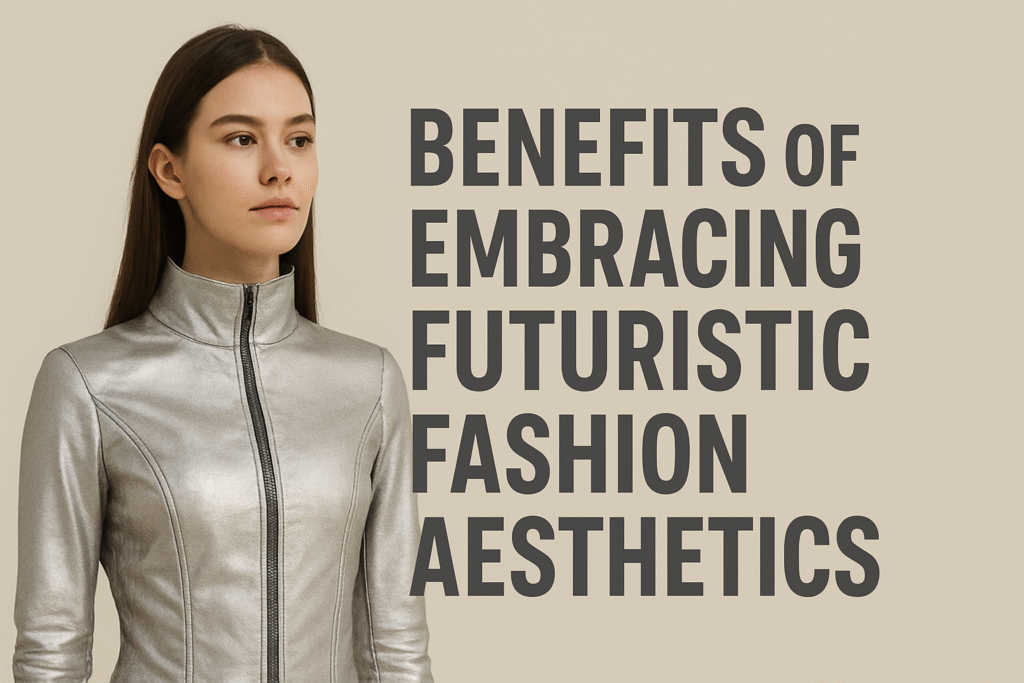
Begin by introducing metallic or structured garments like silver jackets, geometric bags, or bold boots. These instantly add a futuristic touch without going overboard.
2. Experiment with Techwear
Techwear blends utility and design. Look for multi-pocket jackets, waterproof materials, and reflective accents. It’s functional, stylish, and built for urban explorers.
3. Mix Minimalism with Innovation
Futuristic fashion doesn’t mean flashy. You can achieve a futuristic aesthetic by combining minimal color palettes with unique silhouettes think sleek lines, monochrome tones, and structured cuts.
4. Accessorize with a Futuristic Edge
Accessories can define your futuristic vibe. Go for visors, mirrored sunglasses, metallic belts, and tech-inspired jewelry that enhance your modern look.
Benefits of Embracing Futuristic Fashion Aesthetics
1. Self-Expression and Individuality
Futuristic fashion encourages creativity. It’s not about following trends. It’s about setting them. Wearing futuristic designs allows individuals to express their inner vision of modernity and progress.
2. Technological Empowerment
With the rise of smart clothing, fashion becomes more than an outfit. It becomes a lifestyle tool. From temperature regulation to health monitoring, technology empowers wearers to live smarter.
3. Sustainability and Responsibility
Many futuristic designs prioritize eco-conscious materials and ethical manufacturing. Embracing this style helps promote a sustainable fashion ecosystem that benefits the planet.
4. Cultural Influence and Innovation
Futuristic fashion influences not only how we dress but also how we think about creativity, innovation, and the digital age. It connects art, technology, and humanity in a way that redefines culture.
The Future of Futuristic Fashion Aesthetics
The Rise of Digital Fashion and AI Design
AI-driven design tools are revolutionizing the industry. Designers can now use algorithms to predict future trends, generate new patterns, and optimize sustainability.
Digital clothing, NFTs, and virtual fashion shows are reshaping fashion’s identity in the metaverse. Consumers are buying “wearable” digital pieces for avatars. A clear sign that the boundaries of style are evolving.
Virtual Reality and the Fashion Metaverse
In the near future, fashion won’t be limited to physical fabrics. Through virtual reality (VR), people can experience immersive fashion environments, attend digital runway shows, or own unique fashion NFTs.
Futuristic aesthetics, in this sense, are blending the physical and digital worlds making fashion more inclusive and limitless than ever.
Challenges in Futuristic Fashion
Balancing Innovation with Accessibility

While futuristic fashion dazzles, it can also be expensive and inaccessible. The challenge lies in bringing these innovations to the mass market without losing quality or creativity.
Ethical Concerns in Digital Fashion
As virtual fashion grows, so do questions about digital ownership, data privacy, and sustainability in the metaverse. The future of fashion must address these concerns responsibly.
The Human Touch
Despite technology’s rise, human creativity remains irreplaceable. The future of fashion should celebrate both digital precision and emotional design.
Conclusion: The Beauty of the Unknown
Futuristic fashion aesthetics are not just about shiny materials or techwear. They’re about imagination. It’s the art of dreaming beyond limitations, where clothing becomes an extension of innovation and identity.
As we move further into an AI-driven, sustainability-conscious era, the fashion of tomorrow will continue to blend ethics, aesthetics, and intelligence. The future of fashion isn’t far, it’s already unfolding.
Quick Summary Table: What Defines Futuristic Fashion Aesthetics
| Aspect | Description | Benefit |
|---|---|---|
| Design Philosophy | Innovative, tech-inspired, sustainable | Drives creativity and progress |
| Materials | Smart textiles, metallics, recycled fabrics | Eco-friendly and functional |
| Visual Style | Minimal, geometric, or digital | Timeless yet forward-thinking |
| Technology Impact | 3D printing, AR, AI | Enhances personalization |
| Cultural Significance | Merges fashion with technology and identity | Expands global creativity |