
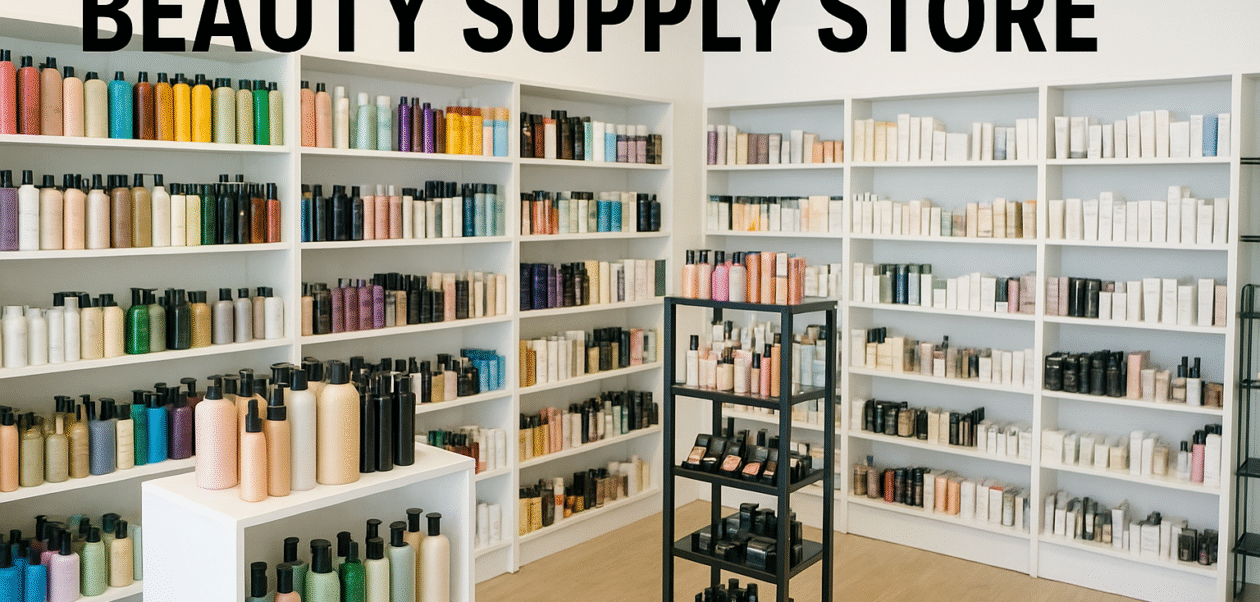
Introduction: How to Open a Beauty Supply Store
Opening a beauty supply store can be a lucrative business opportunity in 2026. With the growing demand for beauty products, cosmetics, haircare, and skincare items, entrepreneurs have a chance to build a profitable business. However, like any venture, success requires planning, strategy, and knowledge of the market. This guide covers everything from initial research to maximizing profits while avoiding common pitfalls.
Understanding the Beauty Supply Industry
Before diving into the business, it’s crucial to understand the industry.
Industry Overview in 2026
The beauty supply market is evolving rapidly. Consumers are increasingly seeking specialty products, natural and organic beauty items, and products catering to diverse hair and skin types. According to recent market research, the global beauty industry is projected to reach $716 billion in 2026, indicating massive growth potential.
Market Trends to Watch
- Eco-friendly and organic products – Green beauty is trending.
- Online and hybrid shopping models – Combining physical stores with e-commerce increases reach.
- Diverse product lines – Catering to multicultural hair and skin care needs is profitable.
- Subscription boxes & bundles – Popular for repeat customer engagement.
Understanding these trends helps you stock the right products and meet consumer demand effectively.
Steps to Start Your Beauty Supply Store
Conduct Market Research
Before investing, research your target market:
- Identify your ideal customer (age, preferences, budget).
- Analyze local competitors and their pricing.
- Determine the most demanded products in your area.
Tip: Use surveys, social media polls, and foot traffic observations to gather insights.
Write a Business Plan
A strong business plan is essential. It should include:
- Business concept and goals
- Target market analysis
- Marketing strategy
- Financial projections
- Operations plan
A clear plan helps attract investors and guides your decision-making.
Legal Requirements and Licensing
To operate legally, you need:
- Business license – Local city or county license.
- Resale permit – For selling products tax-free from suppliers.
- Health and safety permits – Required if selling cosmetics with regulated ingredients.
Check local laws as regulations vary by state or country.
Choosing a Location
Location is critical for foot traffic and visibility. Consider:
- High foot traffic areas near salons, gyms, or shopping centers.
- Ample parking and easy accessibility.
- Rent affordability vs potential customer volume.
Tip: Conduct a location analysis table to compare options.
| Location | Foot Traffic | Rent | Nearby Competitors | Potential Sales |
|---|---|---|---|---|
| Mall Area | High | $3,000 | 2 | $10,000/month |
| Downtown | Medium | $2,200 | 3 | $7,500/month |
| Suburban Street | Low | $1,500 | 1 | $5,000/month |
Sourcing Products and Suppliers
Finding reliable suppliers ensures product quality and competitive pricing. Options include:
- Wholesalers – Bulk buying for discounts.
- Direct manufacturers – Often cheaper but require larger orders.
- Dropshipping – Low inventory risk; useful for niche products.
Pricing Strategy
Set competitive prices while ensuring profitability. Consider:
- Cost of goods + markup (usually 30–50%)
- Competitor pricing
- Discounts for bulk purchases
- Loyalty programs
Setting Up Your Store
Store Layout and Design
A clean, attractive store encourages purchases. Tips:
- Organize by category – Hair, skincare, makeup, tools.
- Highlight bestsellers at eye level.
- Use signage and lighting effectively.
Branding and Marketing
Build a strong brand identity:
- Logo, color scheme, and store design
- Social media presence on Instagram, TikTok, Facebook
- Promotions, discounts, and influencer collaborations
Hiring Staff
Choose experienced and customer-focused employees. Roles include:
- Store manager
- Sales associates
- Inventory staff
Tip: Train staff on product knowledge and customer service.
Launching Your Store Successfully
Pre-Launch Marketing
Create buzz before opening:
- Social media countdowns
- Local ads and flyers
- Exclusive opening day discounts
Grand Opening Tips
- Offer free samples
- Host giveaways or mini-events
- Collect emails for future marketing campaigns
Managing Your Beauty Supply Store
Inventory Management
Track stock levels to avoid overstocking or shortages. Use inventory software to:
- Monitor sales trends
- Set automatic reorder points
- Identify slow-moving items
Financial Management
Keep finances organized:
- Track income and expenses
- Separate personal and business accounts
- Monitor profit margins
Customer Retention Strategies
Happy customers return. Implement:
- Loyalty programs
- Personalized recommendations
- Email marketing campaigns
Benefits of Owning a Beauty Supply Store
- High-profit potential – Growing demand ensures revenue.
- Diverse product lines – Opportunity to target multiple customer segments.
- Creative freedom – Curate products that align with trends.
- Community impact – Provide beauty solutions locally.
Challenges and How to Overcome Them
| Challenge | Solution |
|---|---|
| High competition | Niche products & excellent service |
| Inventory management | Use software & track trends |
| Changing beauty trends | Attend trade shows & online research |
| Online competition | Build e-commerce & social media presence |
By anticipating challenges, you can stay ahead of competitors.
Tips for Long-Term Success
- Keep up with industry trends and innovations.
- Engage with your community and customers online.
- Diversify product lines and offer seasonal promotions.
- Monitor competitors and adjust strategies as needed.
Conclusion
Opening a beauty supply store in 2026 offers incredible opportunities but requires careful planning, research, and strategy. From understanding the market to sourcing products, managing finances, and marketing effectively, every step counts. By following this guide, entrepreneurs can minimize risks, maximize profits, and build a thriving beauty business that lasts for years.