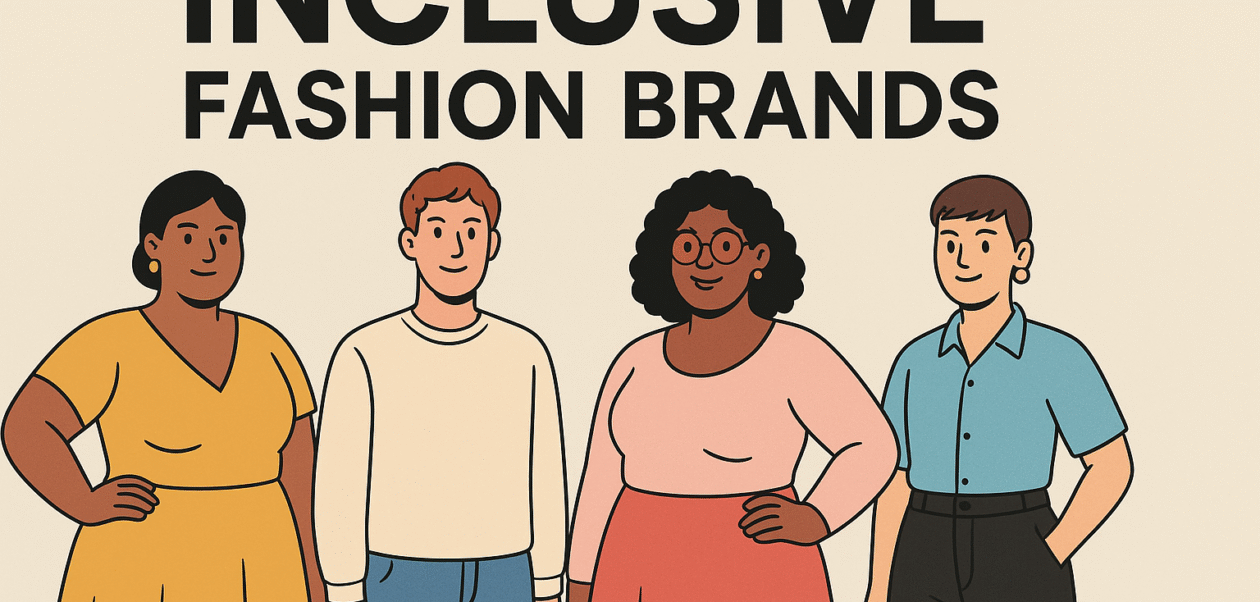
Fashion has always promised beauty, creativity, and individuality. Yet for decades, the industry excluded millions of people by offering narrow size ranges, unrealistic models, and designs catered only to a privileged few. Today, that outdated chapter is closing fast. Inclusive fashion brands are rewriting the rules with attitude, authenticity, and a message the world has been begging for: style belongs to everyone.
From extended sizes to adaptive clothing, from culturally diverse campaigns to gender-neutral silhouettes, these brands aren’t tiptoeing into inclusivity, they’re kicking the doors wide open. And the best part? They’re doing it with fierce aesthetics, on-trend designs, and fashion that feels as good as it looks.
Welcome to your ultimate deep-dive into the world of inclusive fashion bold, modern, and unapologetically real.
Understanding the Movement: Why Inclusivity Matters More Than Ever
Inclusivity isn’t a seasonal trend. It’s not a marketing tactic. It’s a cultural correction.
The modern fashion consumer empowered by social media, activism, and global conversation no longer tolerates outdated beauty standards. People want representation. They demand real bodies, real identities, real stories. And they’re calling out brands that pretend to be inclusive but fail to follow through.
Inclusive fashion thrives because:
- People want clothing that fits their bodies, not the other way around.
- Consumers trust brands that showcase reality instead of fantasy.
- Marginalized communities deserve visibility and expression.
- Fashion is a universal language and everyone deserves to speak it.
The rise of inclusive fashion brands reflects a global shift toward acceptance, empowerment, and true diversity. It isn’t just a fashion revolution; it’s a human one.
What Makes a Fashion Brand Truly Inclusive?
Brands often say they’re inclusive but only a few truly are. Real inclusivity is layered, intentional, and consistent across design, marketing, production, and accessibility.
Here’s what the best inclusive brands get right:
Size Inclusivity That Celebrates Real Bodies
Not a mere “extended sizes” section hidden at the bottom of a website, but:
- Full-size ranges from XXS to 6XL or higher
- Equal availability of colors, styles, and fabrics
- Models who reflect the customers wearing the clothes
- Garments designed for each size not just scaled up
Adaptive Fashion That Prioritizes Accessibility
Adaptive clothing supports disabled people who have been ignored by mainstream fashion for decades.
Key features include:
- Magnetic closures
- Sensory-friendly fabrics
- Adjustable hems
- Wheelchair-friendly silhouettes
- Easy-open zippers
- Shoes designed for orthotics
It blends function with style proving accessible fashion can be beautiful.
Gender-Neutral Fashion That Breaks Stereotypes
Not every shopper fits into “women’s” or “men’s.” Inclusive brands embrace:
- Androgynous silhouettes
- No-label or gender-free collections
- Comfortable fits that prioritize expression
- Neutral colors and fluid cuts
Fashion becomes non-restrictive just pure self-expression.
Representation That Reflects Real Audiences
Real inclusivity requires real visibility:
- Diverse ages
- Different body shapes
- Various skin tones
- Disability representation
- Plus-size, mid-size, petite, and tall models
- LGBTQ+ visibility
- Cultural and ethnic diversity
When people see themselves in a brand, trust grows, loyalty deepens, and fashion becomes emotionally meaningful.
Affordability and Accessibility
Inclusivity without accessibility is incomplete. Fashion must be:
- Easy to buy
- Easy to find
- Easy to wear
- Reasonably priced
The brands on this list understand that inclusivity is not a luxury, it is a responsibility.
Table: Leading Inclusive Fashion Brands & Their Core Strengths
| Brand | Inclusivity Strength | Size Range | Special Feature |
|---|---|---|---|
| Universal Standard | Size Inclusivity | 00–40 | Largest size range in the world |
| Savage x Fenty | Size + Skin Tone | XS–4X | Wide nude tones, diverse campaigns |
| Aerie | Body-Positive Marketing | XXS–XXL | Unretouched images |
| Girlfriend Collective | Eco + Size Inclusive | XXS–6XL | Recycled fabrics |
| SKIMS | Shapewear Diversity | XXS–5X | Inclusive nude tones |
| Tommy Hilfiger Adaptive | Adaptive Fashion | XS–3XL | Magnetic closures |
| ASOS Curve | Trend-Forward Plus Size | 14–34 | Affordable fast trends |
| Chromat | Queer & Body-Diverse | XS–4X | High-fashion inclusivity |
| Zelie for She | Plus-Size Luxury | XL–4X | Designer-run plus-size brand |
The Most Iconic Inclusive Fashion Brands You’ll Love—Not Hate
These brands don’t just “include” people they celebrate them. They’re bold, diverse, stylish, and changing what fashion looks like in 2025 and beyond.
Universal Standard: The Gold Standard of Size Inclusivity
Universal Standard’s mission is simple yet revolutionary: clothes for every body. With sizes from 00 to 40, they’ve built the most inclusive size range in the world.
What makes them stand out:
- Their fit model system ensures each size is designed individually
- Their campaigns feel raw, real, and non-performative
- Their basics elevate daily wear with luxe fabrics and clean minimalism
Universal Standard proves minimalist fashion can be maximal in impact.
Savage x Fenty: Rihanna’s Empire of Diversity
When Rihanna launched Savage x Fenty, she didn’t just disrupt lingerie. She detonated a cultural bomb.
Savage x Fenty stands for:
- Lingerie that fits real bodies
- Inclusive runway shows with pregnant, plus-size, trans, and disabled models
- A wide range of nude tones to match every skin shade
It’s not just lingerie; it’s liberation.
Aerie: Real Bodies, Real Power
Aerie’s #AerieREAL campaign is one of the biggest turning points in fashion history.
They were one of the first major brands to:
- Stop retouching their models
- Feature disabled and plus-size models
- Prioritize comfort and confidence
Their swimwear, loungewear, and intimates radiate the energy of “come as you are.”
Girlfriend Collective: Sustainability with Inclusivity
Girlfriend Collective blends two powerful movements: body diversity and eco-fashion.
Their standout qualities:
- Sizes up to 6XL
- Recycled water bottles turned into leggings
- Compressive fabrics that support not suffocate
- Soft, editorial campaigns with diverse models
If sustainability had a high-fashion sister, this would be it.
SKIMS: Shapewear That Finally Makes Sense
Say what you want about the Kardashian empire, but SKIMS has undeniably reshaped shapewear.
Why shoppers love it:
- Stretchy material that adapts to every curve
- Nine skin-tone shades for true inclusivity
- Comfy basics, bodysuits, and loungewear
SKIMS proves shapewear shouldn’t punish your body—it should love it.
Tommy Hilfiger Adaptive: Function Meets Fashion
Tommy Hilfiger Adaptive stands as one of the few luxury brands designing specifically for the disabled community.
Highlights include:
- Magnetic button-down shirts
- Adjustable pants
- Shoes built for ease and mobility
- Timeless preppy aesthetics
It’s smart fashion meeting real-world needs.
ASOS Curve: Trend-First, Size-Inclusive Fashion
ASOS Curve offers runway-inspired plus-size styles without luxury price tags.
What makes ASOS Curve shine:
- Trend-forward aesthetics
- Excellent size variety up to 34
- Beautiful formalwear, streetwear, and everyday looks
- Influencer collaborations with plus-size creators
It’s the perfect blend of affordability and attitude.
Chromat: Inclusivity With an Edge
Chromat is fashion activism wrapped in neon straps, sculptural silhouettes, and unapologetic boldness.
Their runway shows feature:
- Trans women
- Drag queens
- Nonbinary models
- Plus-size athletes and activists
Chromat screams diversity with a high-fashion volume.
Zelie for She: A Luxury Plus-Size Brand Owned by a Plus-Size Designe
Zelie for She is a dream come true for plus-size women who want bold, luxurious, statement-making fashion.
Why the brand stands out:
- Every collection is handcrafted in small batches
- The designs embrace curves instead of hiding them
- Bohemian, editorial silhouettes in stunning prints
It’s couture-level plus-size fashion without the snobbery.
How Inclusive Fashion Is Transforming the Industry
Inclusive fashion is not just a “feel good” trend it’s reshaping the entire fashion landscape.
Beauty Standards Are Being Rewritten
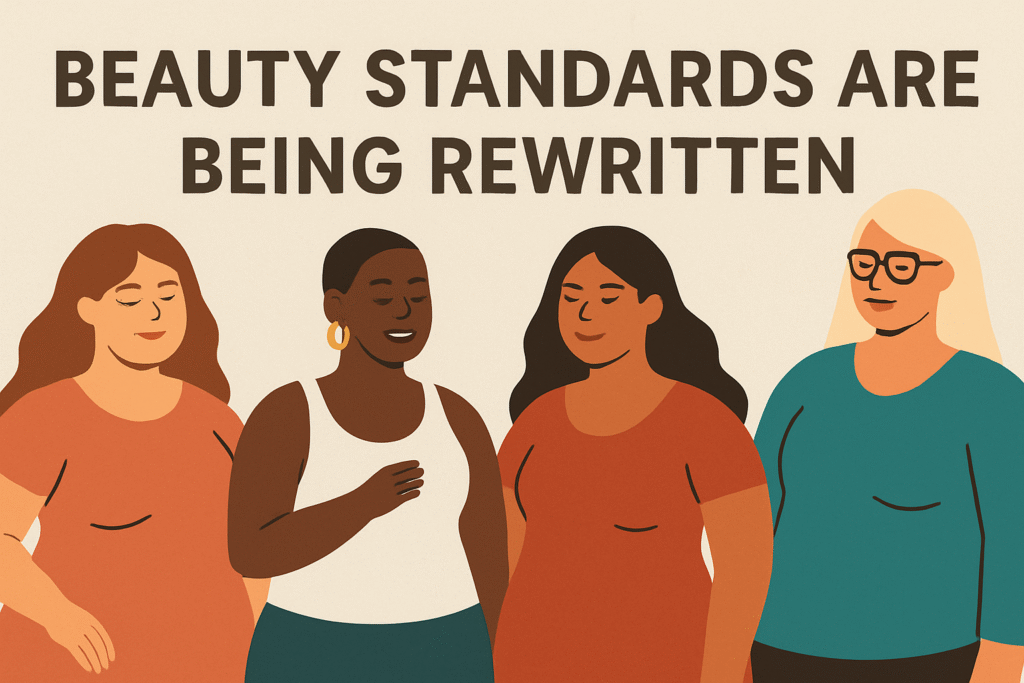
Perfect, doll-like bodies are no longer the default. Fashion now celebrates:
- Cellulite
- Stretch marks
- Belly rolls
- Softness
- Muscle
- Curves
- Disabled bodies
- Aging bodies
The new beauty standard is: your body is worthy of style.
Marketing Is Becoming Real
Brands using unretouched images are winning customer trust and boosting engagement.
Clothing Is Becoming More Comfortable
Comfort is now luxury. And inclusive brands get that.
Challenges Inclusive Fashion Still Faces
Even with major progress, the journey isn’t complete.
Fashion still struggles with:
- Limited stock availability for larger sizes
- Higher production costs
- Brands using inclusivity as a marketing ploy
- Lack of diverse fit models
- Disabled representation still being limited
The future requires honesty, consistency, and innovation.
How Consumers Can Support the Inclusive Fashion Revolution
Your choices matter. Here’s how to be a part of the movement:
- Buy from brands that practice not perform diversity
- Support plus-size and disabled influencers
- Demand fair sizing in reviews
- Share honest feedback
- Call out performative inclusivity
- Celebrate brands making progress
Every purchase is a vote.
Benefits of Supporting Inclusive Fashion Brands
Choosing inclusive brands creates a ripple effect:
1. You Support Equality
You help dismantle harmful beauty standards.
2. You Boost Your Confidence
Clothes that fit right make you feel unstoppable.
3. You Expand the Fashion Industry
Demand pushes brands to produce more sizes, more styles, and better fits.
4. You Push the Culture Forward
Fashion influences the world more inclusivity means more acceptance everywhere.
The Future of Inclusivity: Bold, Loud, and Unapologetic
Inclusive fashion brands are no longer whispering. They’re taking up space loud, proud, and powerful. They’re celebrating bodies once excluded, empowering identities once ignored, and creating designs once dismissed as “too different.”
The future of fashion is clear:
- More sizes
- More diversity
- More accessibility
- More representation
- More authenticity
- More YOU
Fashion is finally evolving into what it should have been all along: a celebration of every body, every identity, every person.
And these inclusive fashion brands?
They’re not just changing the industry.
They’re changing the world.