Fashion has always been more than fabric and form; it’s a reflection of who we are, where we’ve been, and where we’re going. As we step deeper into the 21st century, a powerful movement is reshaping this creative landscape Refashioning The Future. It’s not just about new trends; it’s about redefining the values, systems, and technologies that drive the global fashion industry.
From sustainable innovation to digital couture, the fashion world is evolving at lightning speed. This evolution is guided by responsibility, creativity, and a shared vision for a more conscious and connected future.
Understanding The Concept of Refashioning The Future
What Does Refashioning The Future Mean?
“Refashioning the Future” represents a shift from the traditional, wasteful fashion cycle toward a smarter, more ethical, and tech-driven industry. It’s about reimagining design, production, and consumption to create positive change across the fashion ecosystem.
The term combines “re-fashioning” literally remaking or rethinking fashion with “the future,” implying innovation and forward-thinking. It encompasses everything from circular design and slow fashion to digital transformation and sustainable manufacturing.
Why The Future of Fashion Needs Refashioning
For decades, the fashion industry has been one of the biggest contributors to pollution, waste, and unethical labor practices. But with growing awareness among consumers and advancements in technology, the industry now faces a defining choice to innovate or to be left behind.
Refashioning is the call for a sustainable, digital, and inclusive revolution that benefits both people and the planet.
The Evolution of Fashion: From Fast to Future-Focused
A Quick Look Back at Fashion’s Journey
Fashion’s journey has been marked by creativity, cultural expression, and social influence. From handcrafted garments in the early 1900s to the industrialized production of the 1980s and the fast fashion boom of the 2000s, every era has told its own story.
However, this rapid production model has led to significant consequences:
- Massive textile waste
- Exploitative labor
- Environmental degradation
- Loss of craftsmanship
Transitioning Toward Conscious Fashion
Now, designers and brands are realizing that profit without purpose is no longer sustainable. The future belongs to those who embrace transparency, eco-innovation, and responsibility.
Key Pillars of Refashioning The Future
| Pillar | Description | Impact on Industry |
|---|---|---|
| Sustainability | Using eco-friendly materials, recycling textiles, and minimizing carbon footprints. | Reduces waste and pollution. |
| Technology | AI, AR, and digital fashion design innovations transforming creation and retail. | Enhances customer experience. |
| Circular Economy | Reusing, repairing, and remanufacturing fashion products. | Encourages long-term product lifecycle. |
| Inclusivity | Designing for all body types, genders, and backgrounds. | Promotes diversity and equity. |
| Transparency | Ethical sourcing and open supply chain communication. | Builds consumer trust. |
The Role of Sustainability in Refashioning The Future
From Waste to Worth: The Circular Revolution
Sustainability is the heart of fashion’s transformation. Instead of producing more, the industry is learning to produce better. Circular fashion encourages a closed-loop system where every piece of clothing can be reused or recycled.
For instance, global brands like Patagonia and Stella McCartney have pioneered sustainable production by using organic fibers, recycled fabrics, and ethical labor practices.
Eco-Friendly Materials Changing the Game
Sustainable materials are now revolutionizing how clothes are made. Here are some noteworthy innovations:
- Organic Cotton – Uses 91% less water than conventional cotton.
- Tencel (Lyocell) – Made from wood pulp, biodegradable and soft.
- Recycled Polyester – Created from post-consumer plastic bottles.
- Piñatex – A leather alternative made from pineapple leaves.
- Mycelium Leather – Created from mushroom roots, a futuristic innovation.
The Ethical Dimension of Sustainability
Refashioning the future isn’t only about environmental care but also about social justice. Brands are now committing to fair wages, safe working environments, and local craftsmanship putting ethics at the forefront of their identity.
Technology as a Catalyst for Change
The Rise of Digital Fashion
Digital fashion clothes designed and sold virtually is one of the most exciting developments in refashioning the future. These garments exist only online but are worn by avatars or influencers in the digital world.
Platforms like DressX and The Fabricant are leading the charge, enabling users to “wear” virtual fashion pieces for social media without the environmental cost of production.
Artificial Intelligence and Personalization
AI is revolutionizing how we shop and design. Through machine learning, brands can predict fashion trends, personalize recommendations, and optimize inventory to minimize waste.
Augmented Reality (AR) in Fashion Retail
AR technology allows customers to virtually try on outfits before purchasing. It enhances online shopping by merging convenience with confidence bridging the gap between physical and digital retail experiences.
The Human Side of Refashioning The Future
Empowering Designers and Artisans
While technology drives innovation, creativity remains the heartbeat of fashion. Refashioning the future means empowering artisans, small brands, and local designers to thrive through collaboration, not competition.
Inclusivity and Representation
Fashion is finally breaking away from narrow definitions of beauty. Today, inclusivity is more than a buzzword, it’s a standard. Brands like Savage x Fenty and Chromat celebrate all body types, ethnicities, and gender identities, proving that diversity sells and inspires.
Digital Fashion Economy: The Metaverse Connection
Fashion’s Entry Into Virtual Worlds
As the metaverse expands, fashion brands are designing digital collections for virtual avatars. Major names like Gucci, Nike, and Balenciaga have already launched metaverse experiences that blend entertainment, gaming, and fashion commerce.
NFT Fashion: A New Form of Ownership
NFTs (Non-Fungible Tokens) are transforming how people perceive fashion ownership. Owning a digital dress is now as valuable as owning a luxury handbag in the real world, thanks to blockchain authenticity and exclusivity.
Challenges in Refashioning The Future
Overcoming Greenwashing
Many brands use “sustainability” as a marketing tool without truly committing to change. Greenwashing undermines trust, making it essential for consumers to research and support genuine ethical practices.
Bridging the Digital Divide
While technology brings innovation, it can also create inequality. Smaller brands in developing regions often lack access to digital tools and resources, slowing their transition to modern models.
Balancing Innovation with Affordability
Sustainable and digital fashion can sometimes be more expensive due to ethical sourcing and new technologies. The challenge lies in making these advancements accessible to everyone.
Consumer Awareness and the Power of Choice
The Rise of Conscious Consumers
Modern shoppers are more informed and demanding than ever. They want to know where their clothes come from, who made them, and how they impact the planet. This awareness drives brands to adopt transparency and accountability.
Smart Shopping: Quality Over Quantity
Consumers are now favoring slow fashion — buying fewer but higher-quality pieces that last longer. This approach reduces waste, saves money, and supports ethical craftsmanship.
The Business Benefits of Refashioning The Future
Sustainability Equals Profitability
Contrary to old beliefs, sustainability doesn’t reduce profits, it enhances them. Studies show that consumers are willing to pay more for eco-conscious brands that align with their values.
Brand Loyalty and Trust
Brands that embrace transparency, fairness, and authenticity build long-lasting relationships with their audience. Consumers are more likely to stay loyal to companies that care about the world as much as their wallets.
Innovation as a Growth Driver
By investing in technology and circular systems, fashion businesses can future-proof themselves against resource shortages and changing consumer behavior.
Future Trends to Watch in Refashioning
1. AI-Generated Design
AI will continue to revolutionize how fashion is designed, blending human creativity with machine precision.
2. Smart Textiles
Fabrics that monitor temperature, UV exposure, or even heart rate will soon become mainstream.
3. 3D Printing in Fashion
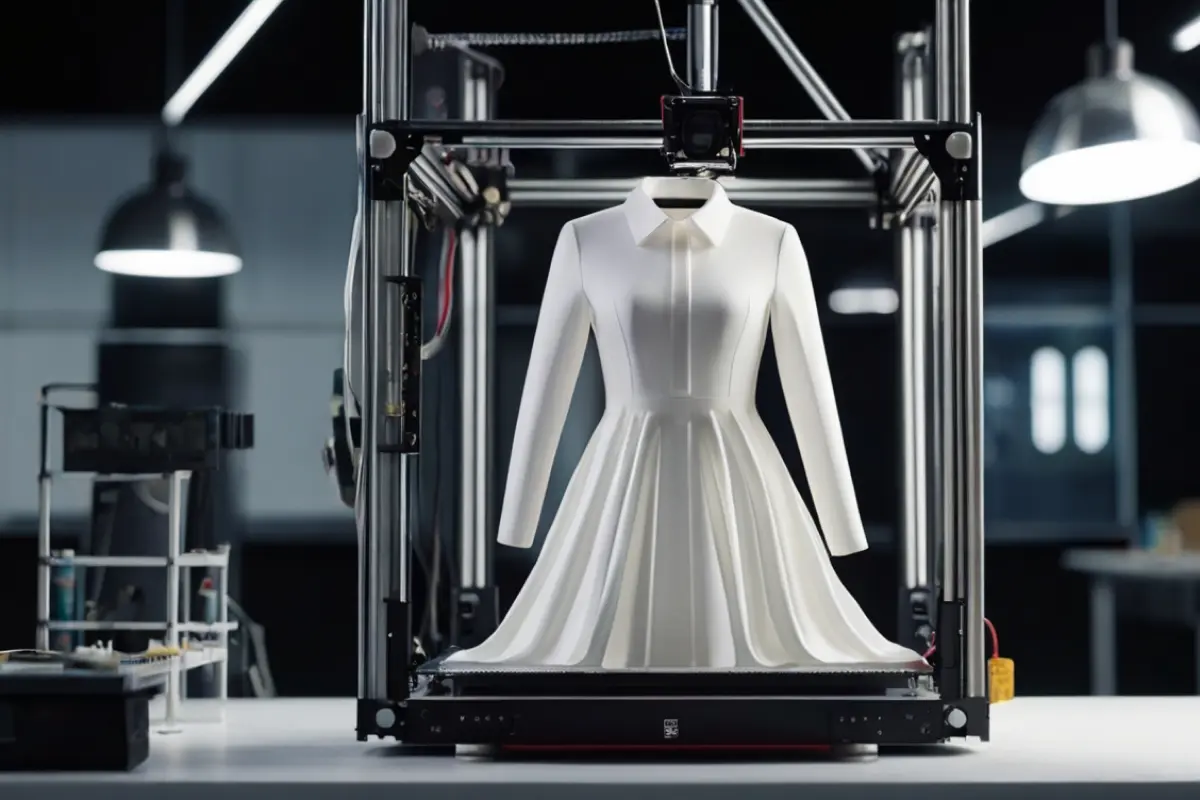
3D-printed clothes offer waste-free production and fully customizable design, marking a breakthrough in sustainable fashion.
4. Rental and Resale Boom
Fashion rental platforms and resale marketplaces like ThredUp and Vestiaire Collective are redefining ownership.
5. Regenerative Fashion
Beyond sustainability, regenerative fashion aims to restore and renew ecosystems through organic farming and biodiversity.
Benefits of Refashioning The Future
| Benefit Category | Key Advantages | Impact on Society & Environment |
|---|---|---|
| Environmental | Reduces carbon emissions, conserves water | Cleaner, greener planet |
| Economic | Encourages innovation, creates green jobs | Stronger, resilient economy |
| Social | Promotes fair labor, inclusivity, equality | More ethical global community |
| Cultural | Preserves craftsmanship, celebrates diversity | Richer, more authentic fashion culture |
How You Can Contribute to Refashioning The Future
1. Support Ethical Brands
Choose brands that prioritize transparency, sustainability, and social impact.
2. Reuse and Recycle
Give old clothes a new life by upcycling or donating them.
3. Buy Less, Choose Well
Invest in timeless pieces that will stay stylish for years.
4. Educate Yourself
Follow fashion activists, watch documentaries, and read sustainability reports.
5. Influence Others
Spread awareness through social media or community initiatives.
Conclusion: Designing Tomorrow, Today
Refashioning the future is not a passing trend, it’s a cultural revolution. The way we produce, buy, and wear clothes defines our collective identity and responsibility to the planet. As technology and creativity merge, we have an extraordinary opportunity to rewrite fashion’s story — one that honors sustainability, celebrates diversity, and embraces innovation.
The next chapter of fashion isn’t about discarding the old but redefining it. Together, designers, consumers, and innovators can build a future where fashion doesn’t just look good, it does good.